
Lost Wax TechniqueTradition, technique, and dedication in every step of the process.
The "lost-wax" technique is an ancient casting method still used today to create high-quality bronze sculptures. This process allows for the precise and durable translation of very fine details, textures, and subtle form transitions into bronze.
The process step by step:
Step 1:
The original model (master)
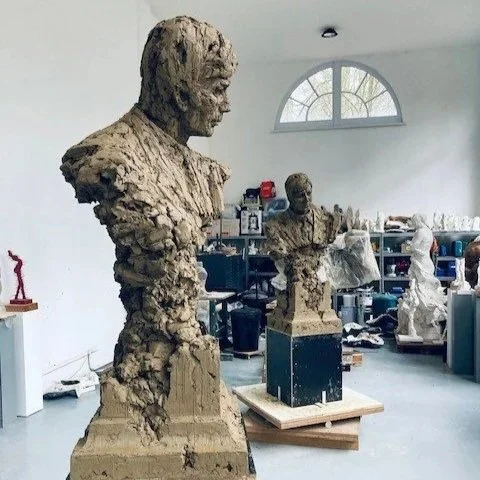
The process begins with an original model. This original forms the absolute basis of the entire casting process and must therefore be substantively and technically "complete": form, proportions, texture, and detail are transferred one-to-one into the bronze. Ideally, the original is supplied at the true size of the final sculpture. If a reduction or enlargement is necessary, this is done beforehand using digital or mechanical techniques.
The original model can be made from various materials, such as clay, plaster, wax, a 3D print, "objet trouvé", ... In principle, everything visible on the original will also remain visible in the bronze.
Step 2:
The Negative Mold
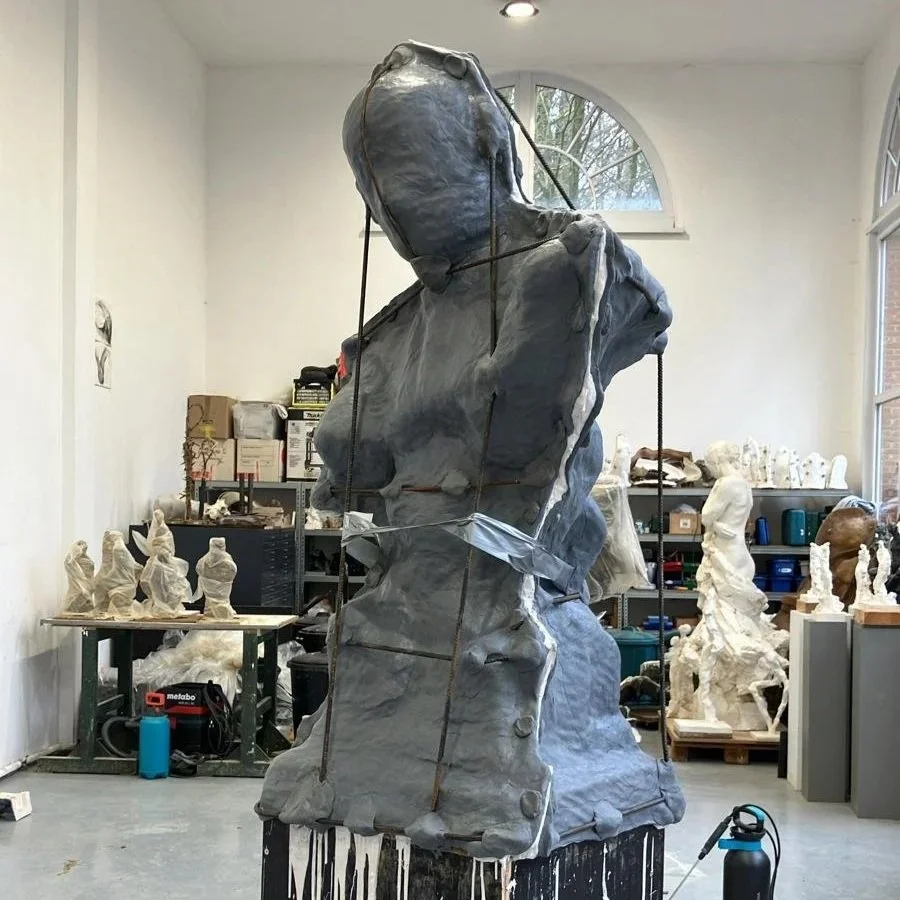
A negative mold is made from the original model, using high-quality silicone and a hard epoxy support shell to reinforce the shape. Creating such a mold is a craft in itself: the mold captures not only the overall shape but also all details and textures. It is constructed to be precise, durable, and convenient to work with.
This negative mold can be used repeatedly and forms the basis for creating one or more wax models. It allows for casting editions or reproducing the same work at different times.
Molding very fragile, difficult-to-move, or large works can be done on-site.
Step 3:
The Wax Model
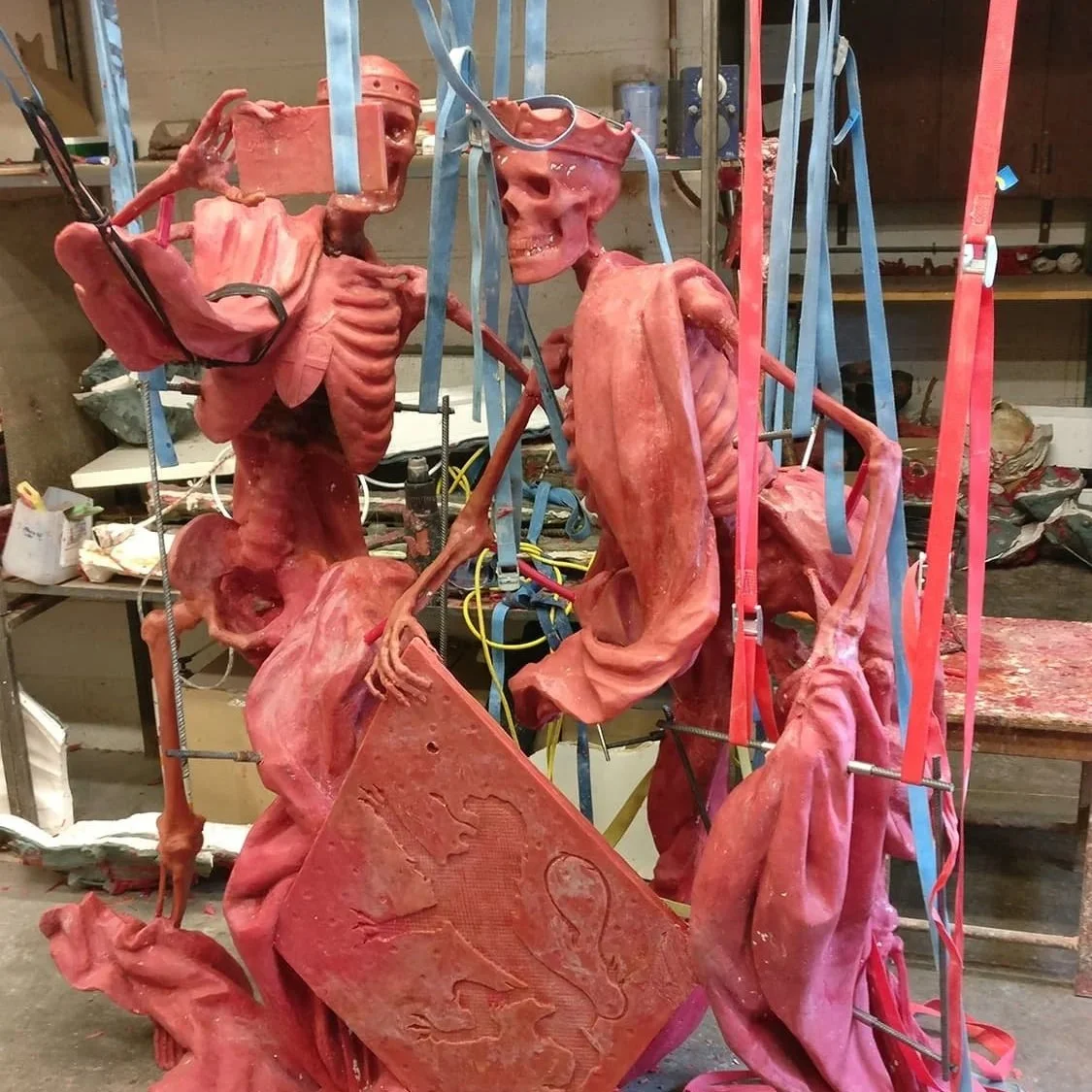
Using the negative mold, a hollow wax model is created. The negative mold is carefully coated with wax to capture all the fine details and texture from the original. This wax model is a copy of the original work, with a wall thickness suitable for bronze casting.
The artist or client signs and approves the wax model.
Afterward, the model is prepared for the casting process. Casting channels and vents are attached to the wax model. These ensure that the molten bronze can flow correctly through the casting mold later and that air and gases can escape. Larger or complex sculptures are prepared in multiple parts.
Step 4:
The Refractory Mold and Burnout
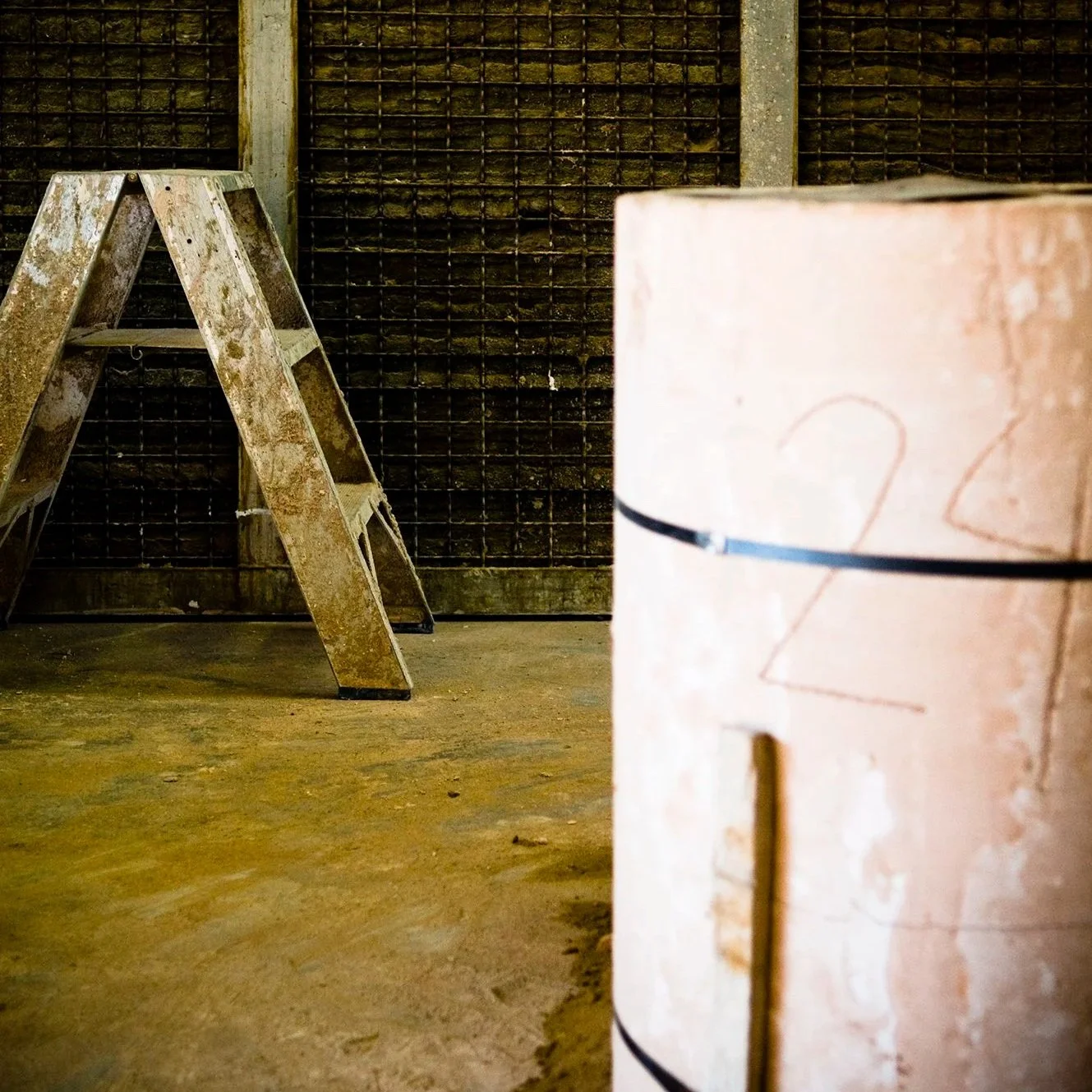
The wax model is then encapsulated in a refractory mass; a casting mold. After hardening, this mold goes into the oven, where it is baked for several days. During the burnout process, the wax melts and disappears — hence the name "lost wax". What remains is a refractory mold with an impression of all the details of the wax model. The cavities in this refractory casting mold are then filled with molten bronze.
Step 5:
Casting the Bronze
Bronze ingots are melted to nearly 1200°C. We work with a classic 90/10 bronze alloy (copper/tin), chosen for its durability, stability, and excellent patination properties. The hot bronze mass is then poured into the refractory mold. After cooling, the sculpture is demolded: the refractory mold is broken open to release the raw bronze casting. The bronze sculpture is cleaned of all remnants of the refractory mold.
Step 6:
Finishing and Chasing
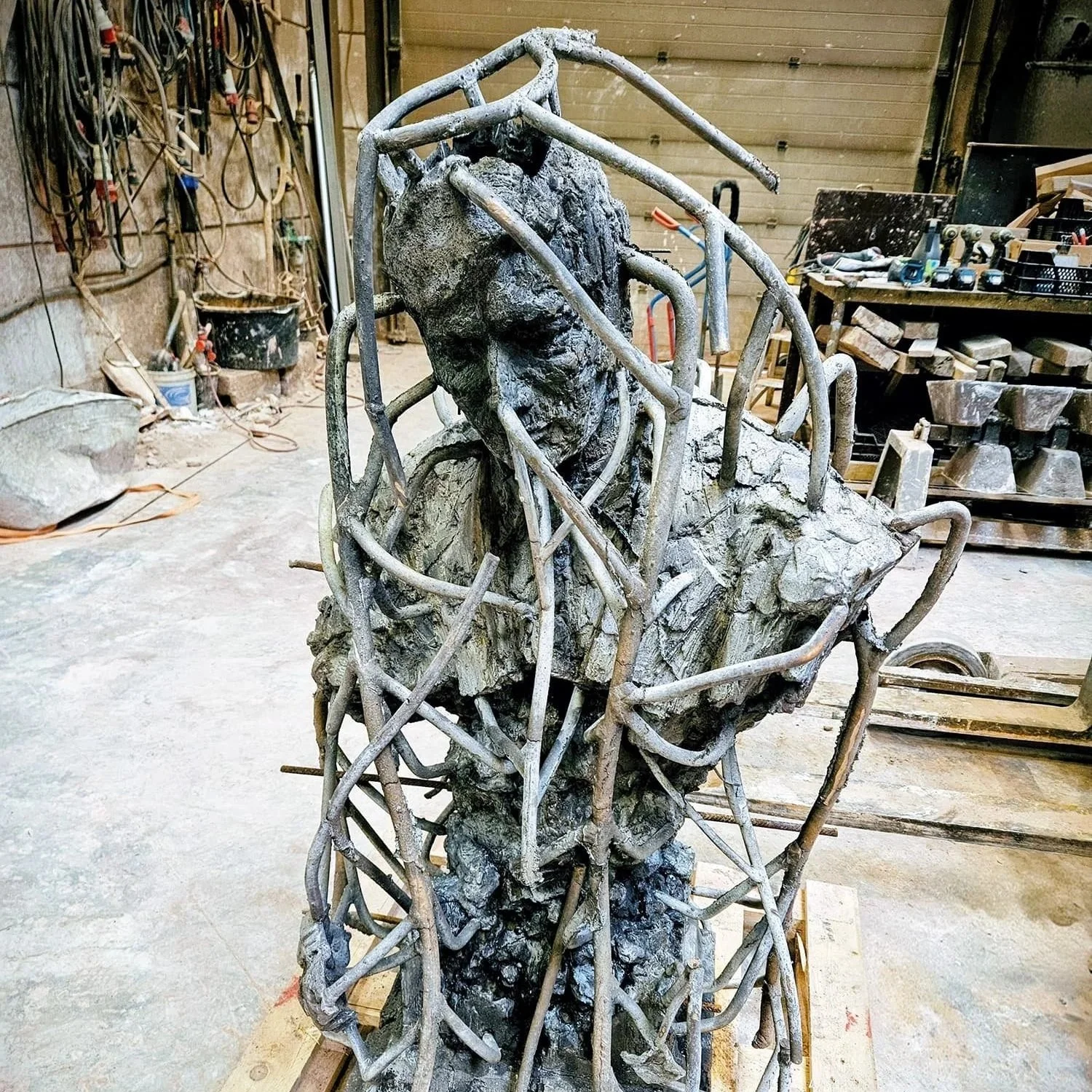
All casting and venting channels are removed from the casting, which is then sandblasted with glass beads. This is followed by the art of chasing, where the bronze surface is carefully and meticulously worked with tools such as files and abrasives. Cavities and seams are welded shut and invisibly retouched, and larger sculptures are assembled.
Step 7:
Patina or Finishing
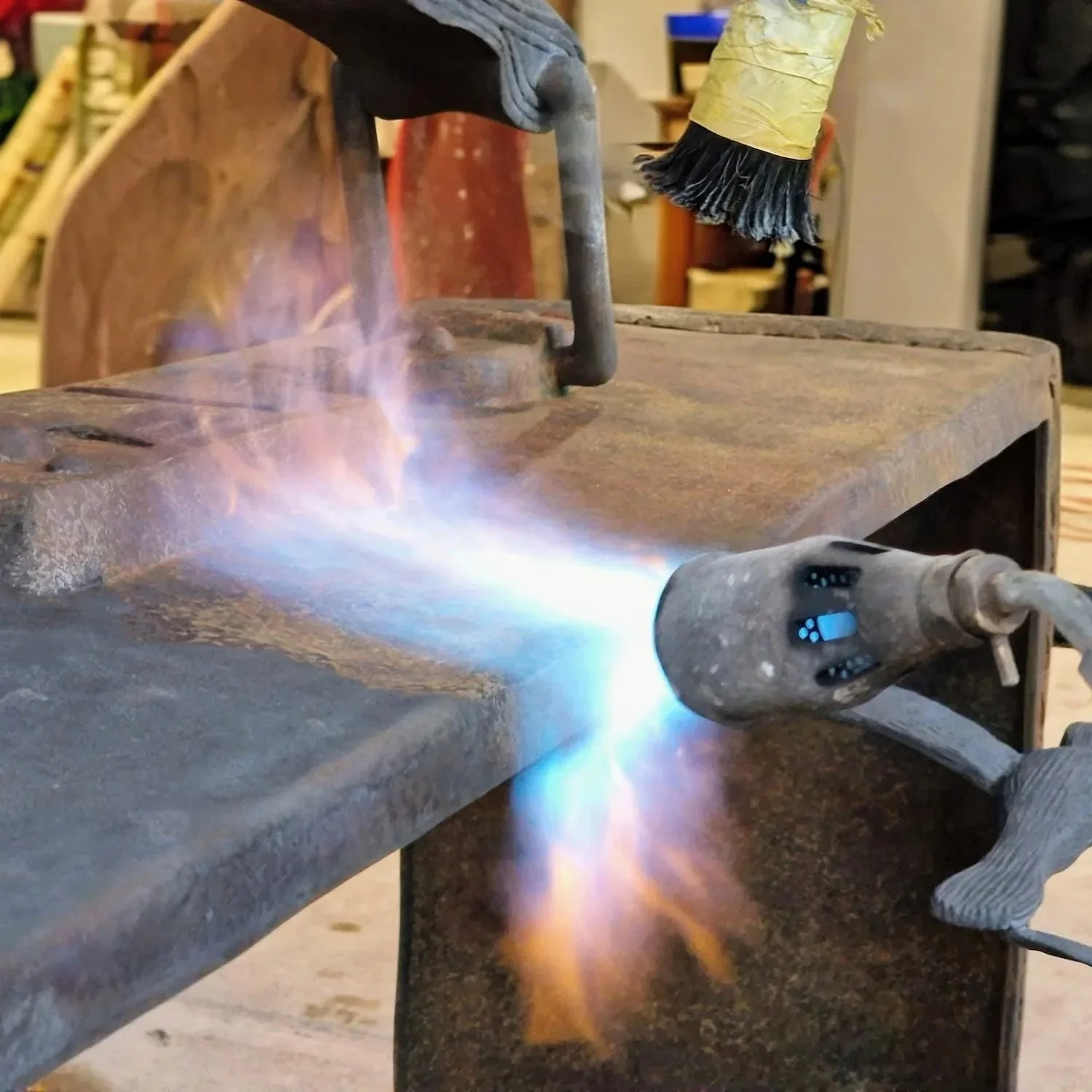
The bronze artwork is finished with a patina layer (patination). The patineur provides tailored advice and, in consultation, executes the artist's vision. Subsequently, the sculpture is finished with a layer of wax to protect the patina and slow down oxidation.
Instead of patinating or coloring the sculpture, it can also be polished to emphasize the yellowish-pink color of the bronze and give it additional shine.
Other finishes are also possible, taking into account the location where the bronze artwork will be placed: silver plating, gilding, nickel plating, chrome plating, powder coating, lacquering, …
Step 8:
Transport and Installation
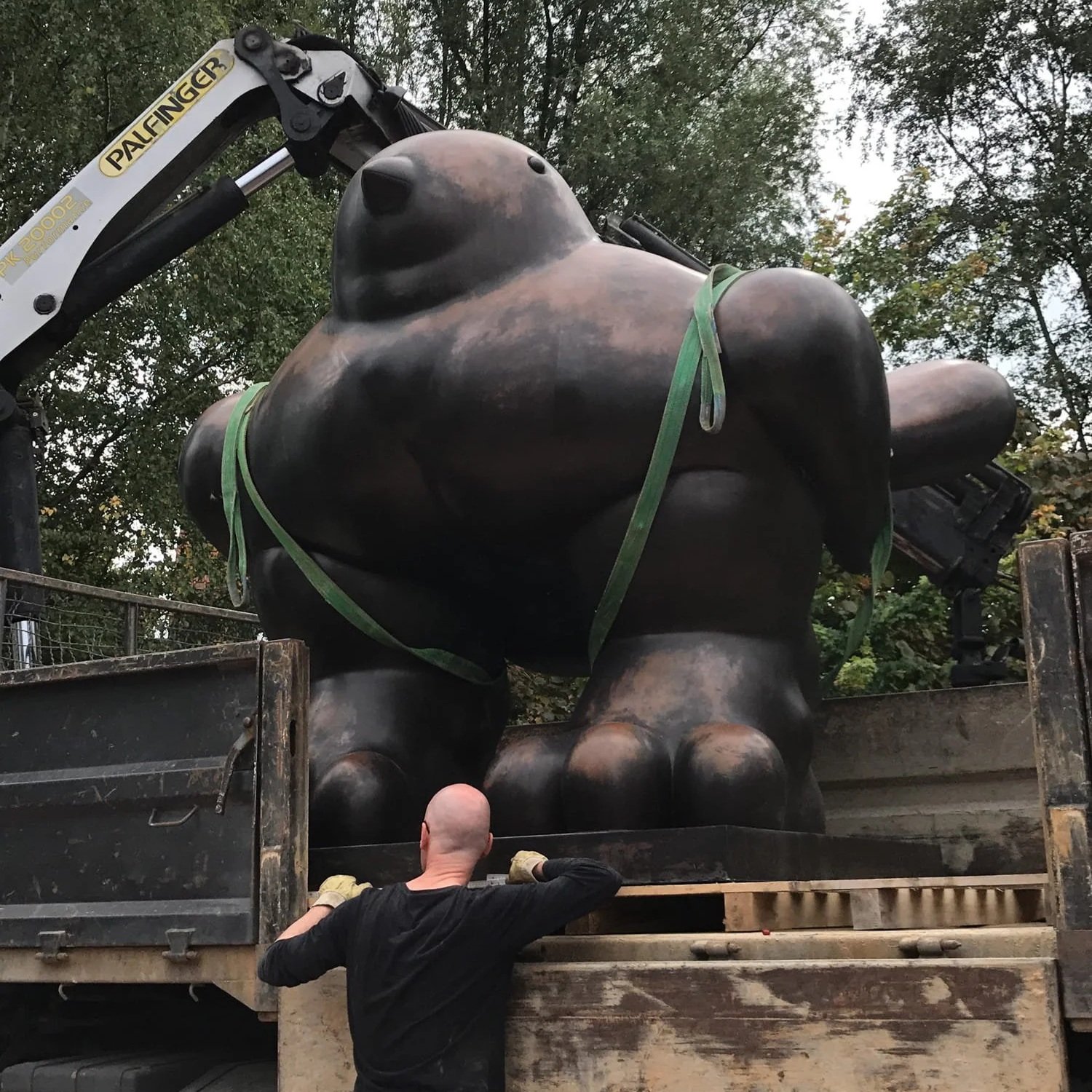
If desired, the bronze sculpture can be transported or installed by us, both domestically and internationally. An accompanying pedestal can also be provided.
FAQ — Frequently Asked Questions
-
In most cases, a sculpture is cast hollow. This makes the weight manageable and limits material consumption.
Smaller parts or specific areas are sometimes cast solid, for example, to achieve better weight distribution or balance.
-
Absolutely.
According to classic French regulations, a bronze edition consists of a maximum of 12 original copies: 8 numbered sculptures (1/8 to 8/8) and 4 artist's proofs (EA I/IV to IV/IV). You can read more about this in our blog article.
Technically, however, a mold can be used repeatedly. Its lifespan depends, among other things, on the quality of the silicone.
We use high-quality professional silicone that lasts for years and retains its flexibility — ensuring precision, durability, and consistency with every casting.
From Technique to Collaboration
The lost-wax technique forms the technical backbone of our work. However, each project requires its own unique interpretation. Therefore, we always combine this craft with consultation, experience, and an approach tailored to both the artwork and the artist. Discover more about our specific approach here.
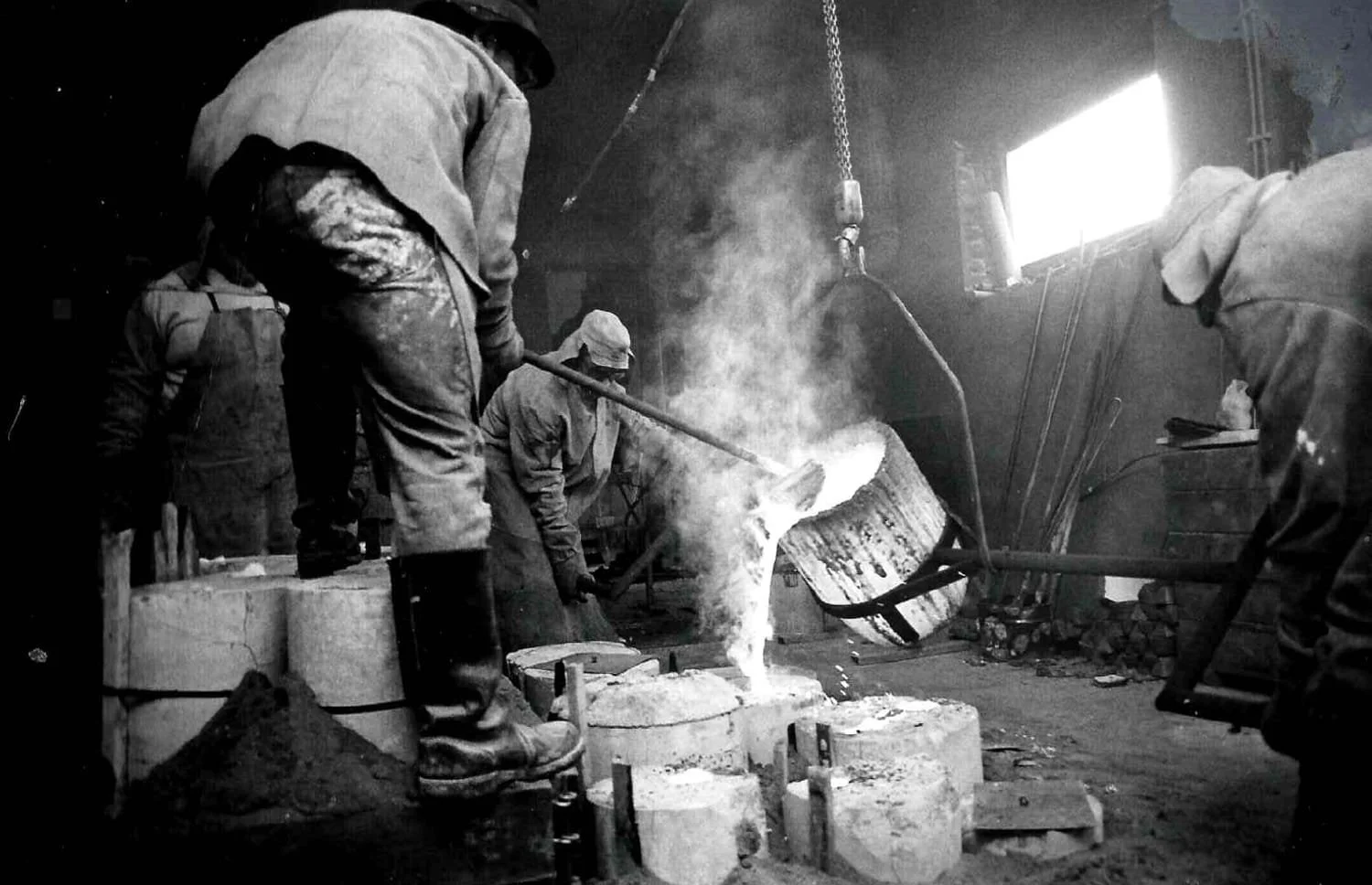
"For creating a bronze sculpture, it is crucial that every step in the process is expertly executed. Each of these steps requires craftsmanship and the pursuit of the best result."
— Jo Van Geert, master bronze caster and founder of Van Geert Art Foundry