
Our ServicesFrom model to installation and restoration
Whether you need full production or support in a specific phase — we tailor our services to your project.
From model to installation
Whether you need full production or support in a specific phase — we tailor our services to your project.
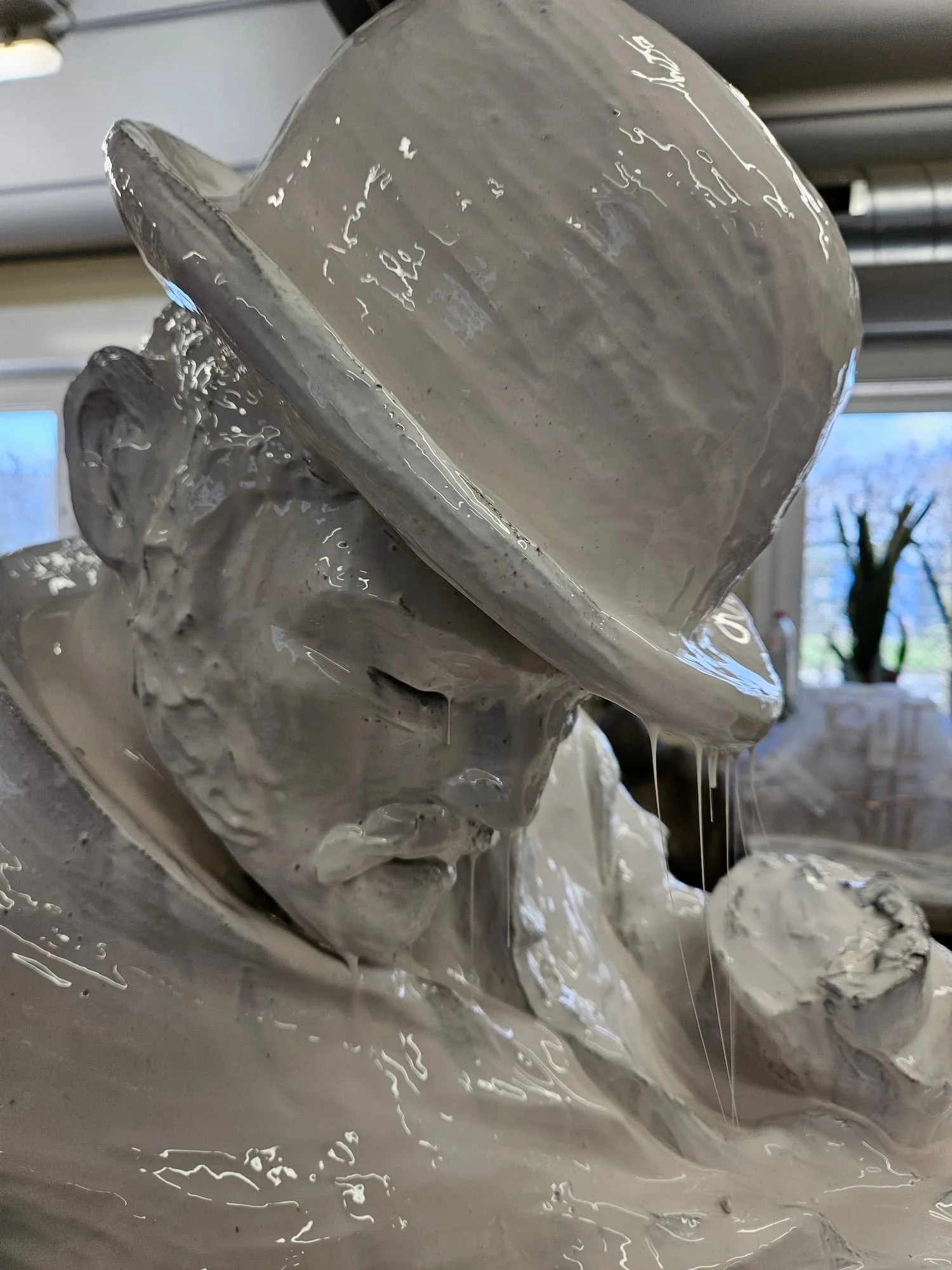
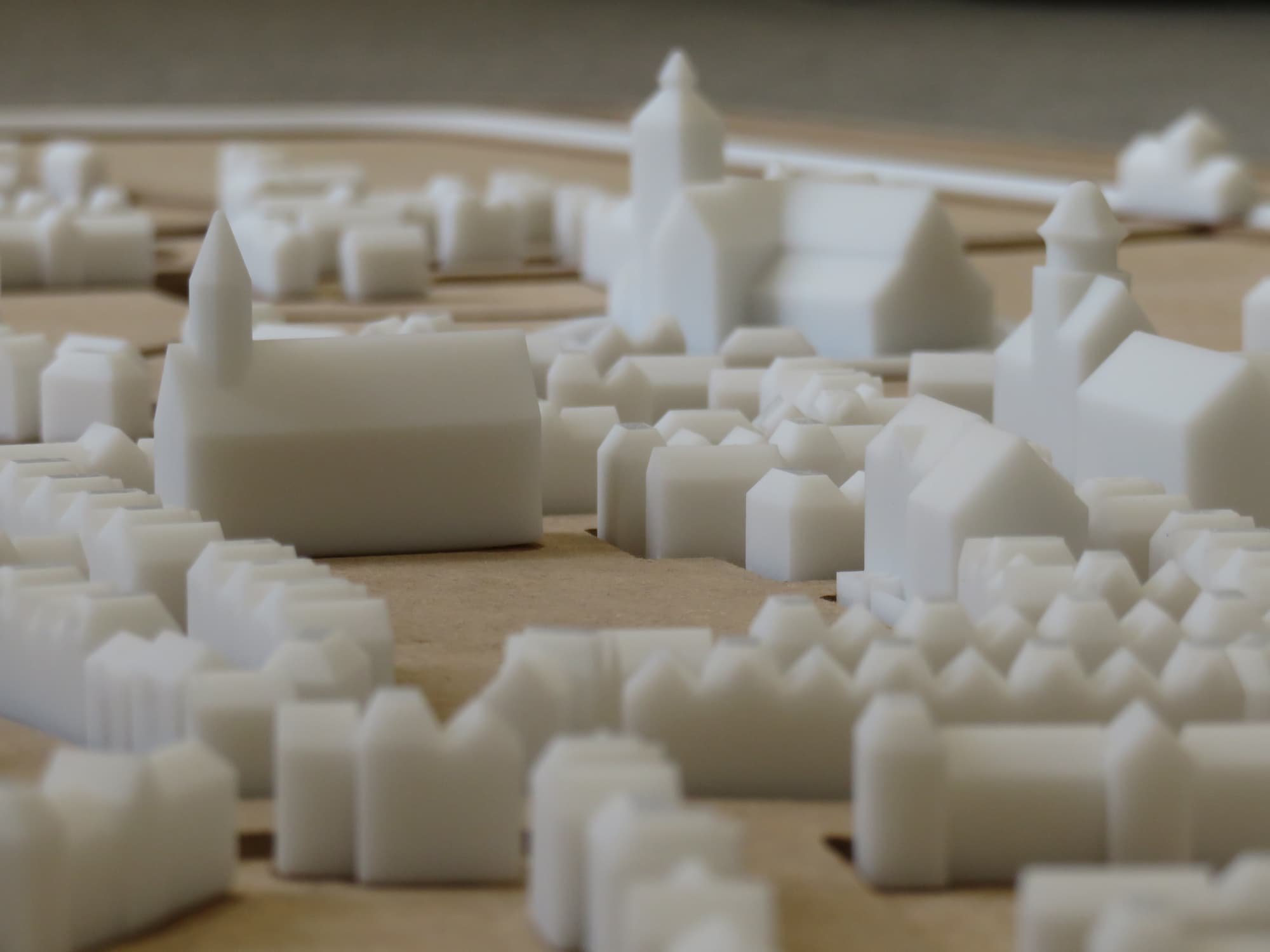
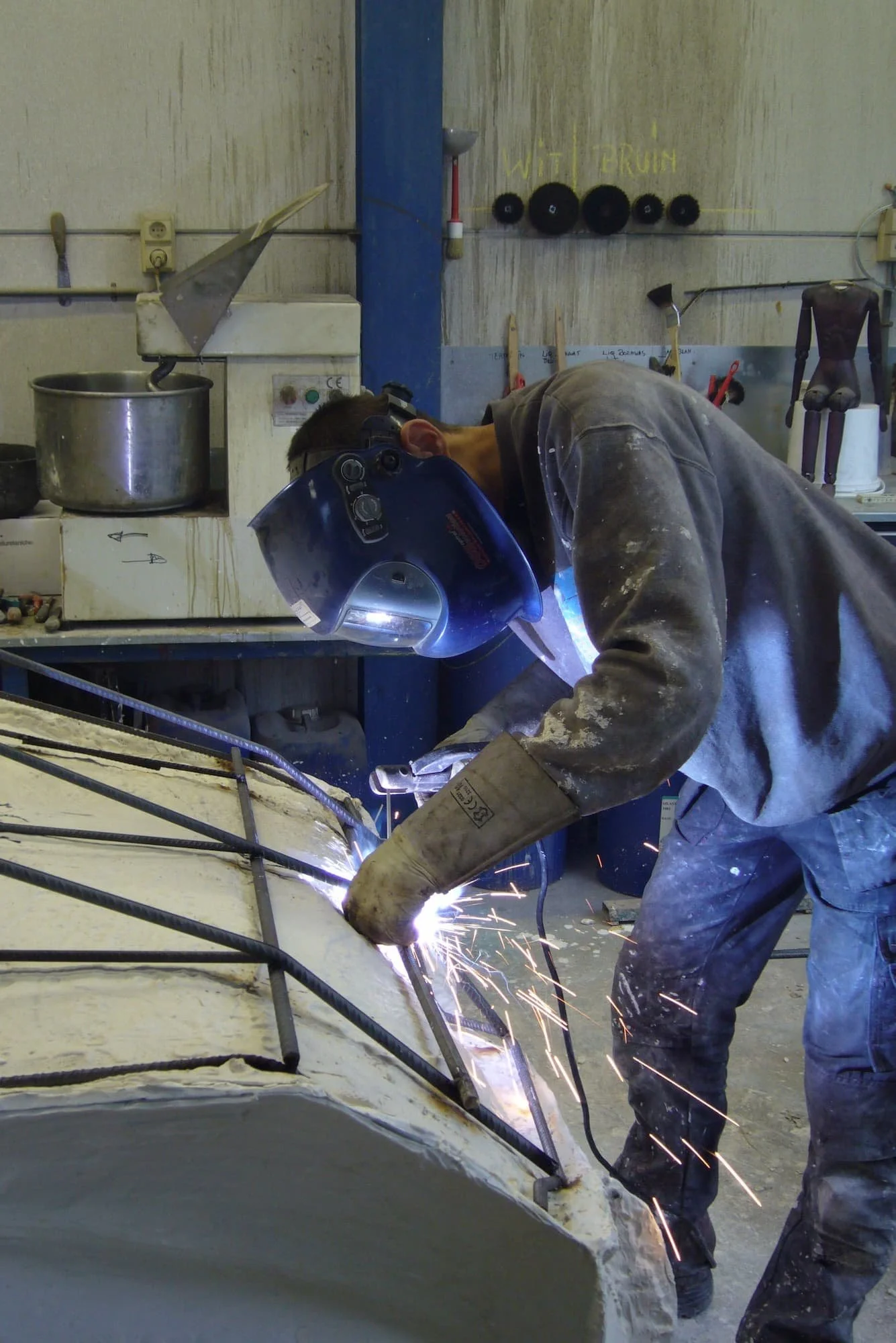
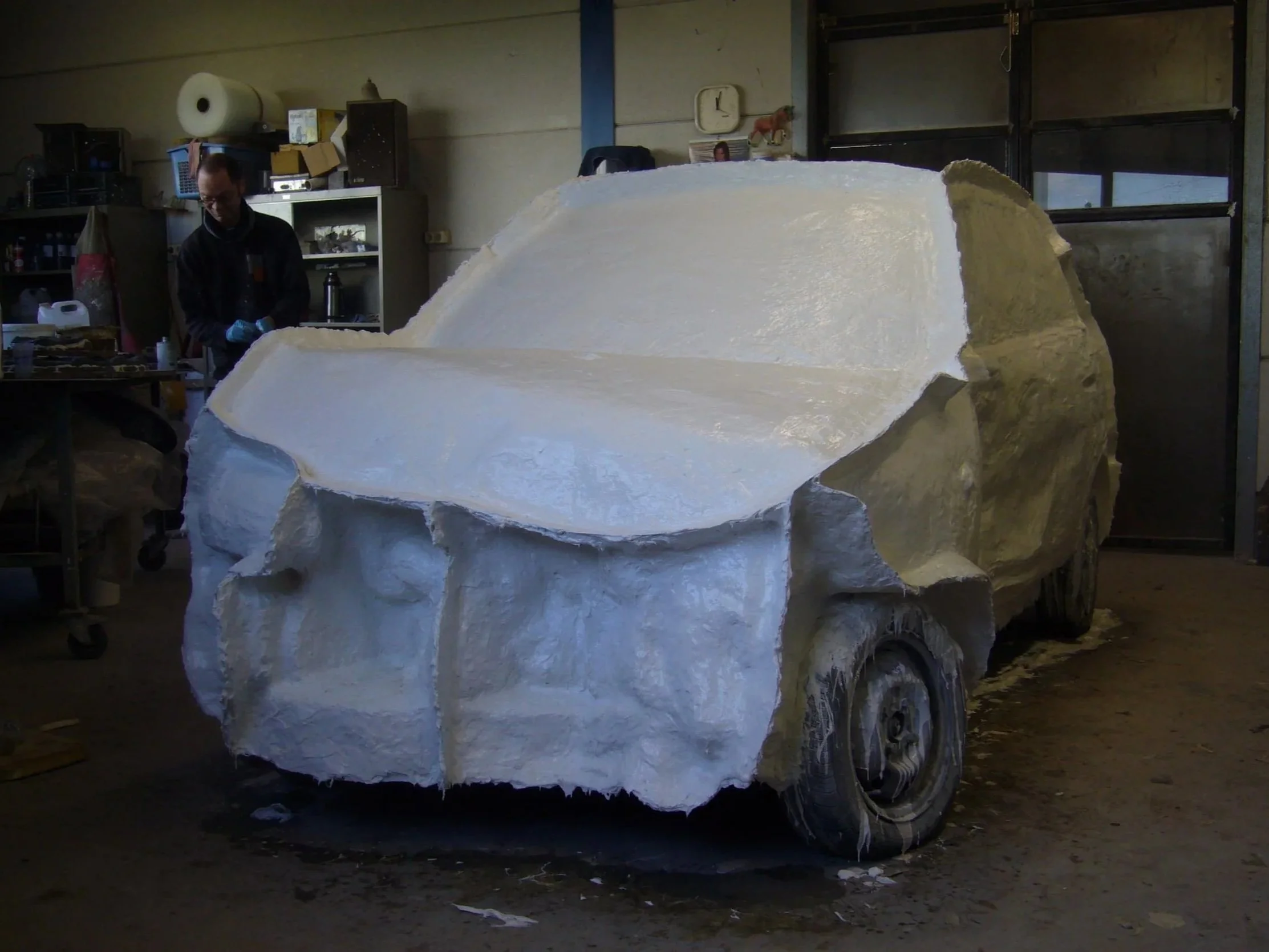
Creation & Preparation
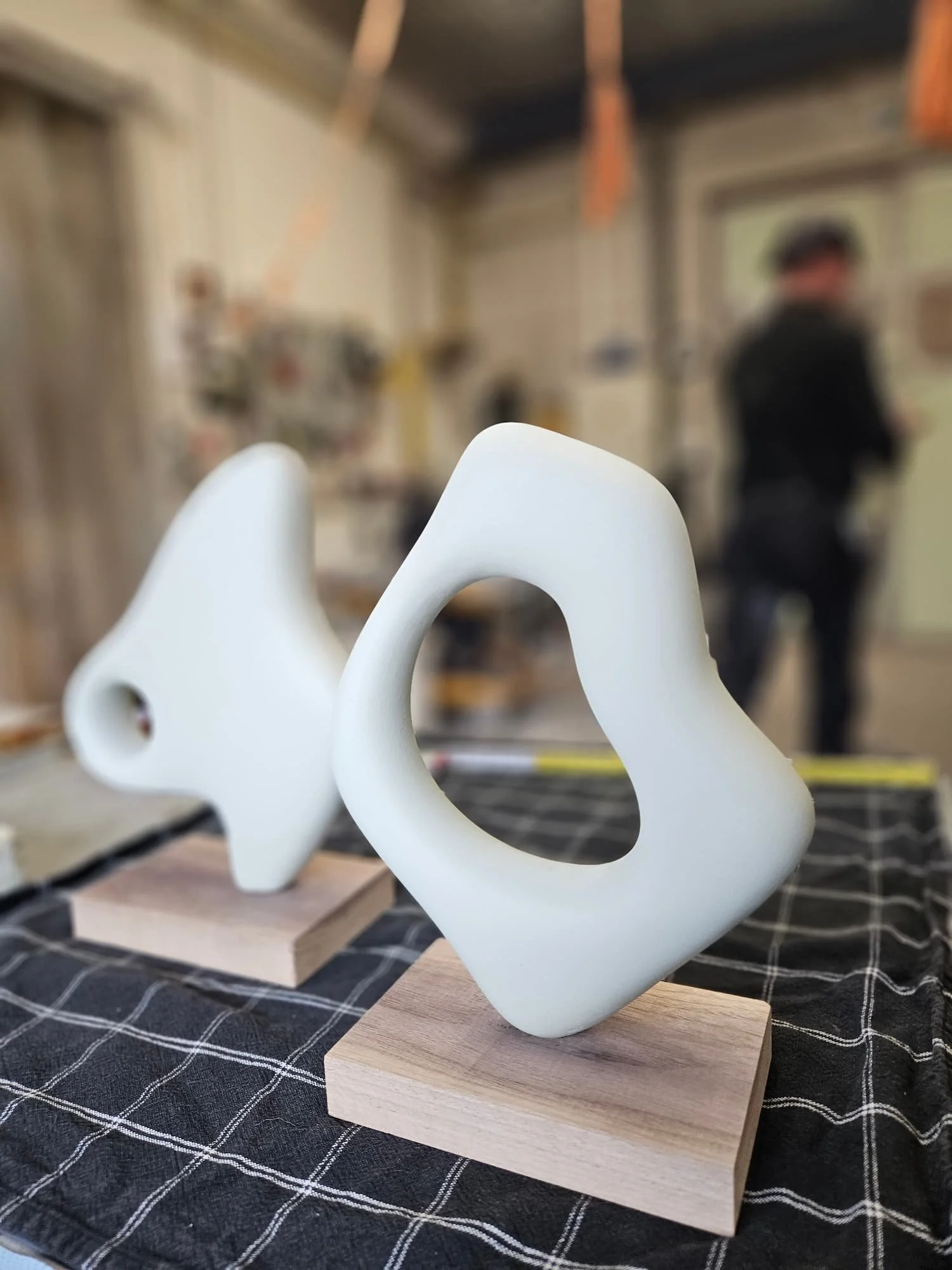
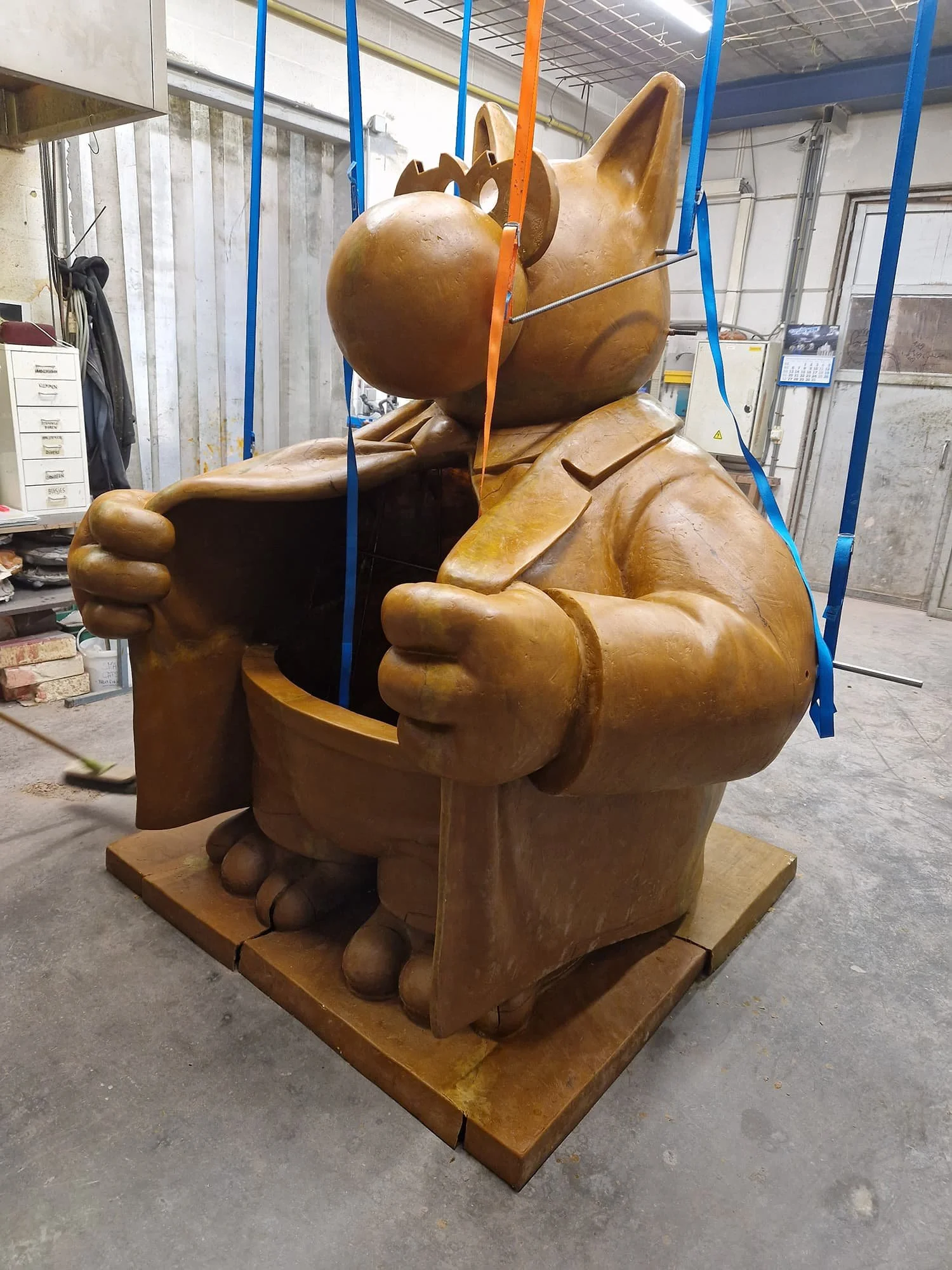
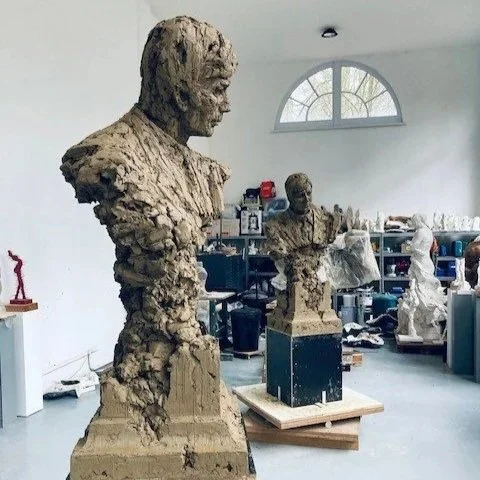
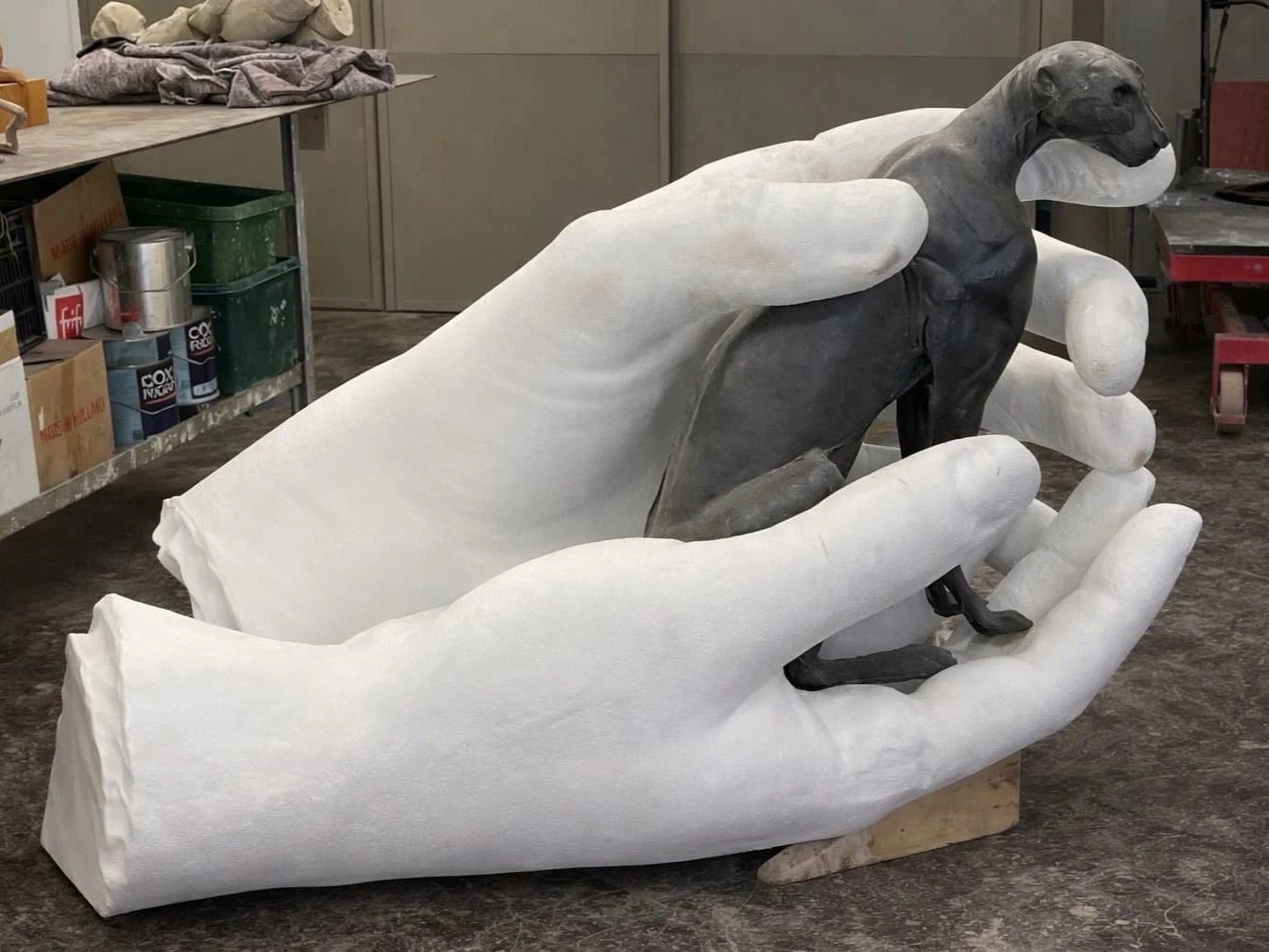
Model Creation: sculpting, 3D scanning, 3D printing, robotic milling, and precise enlargement or reduction
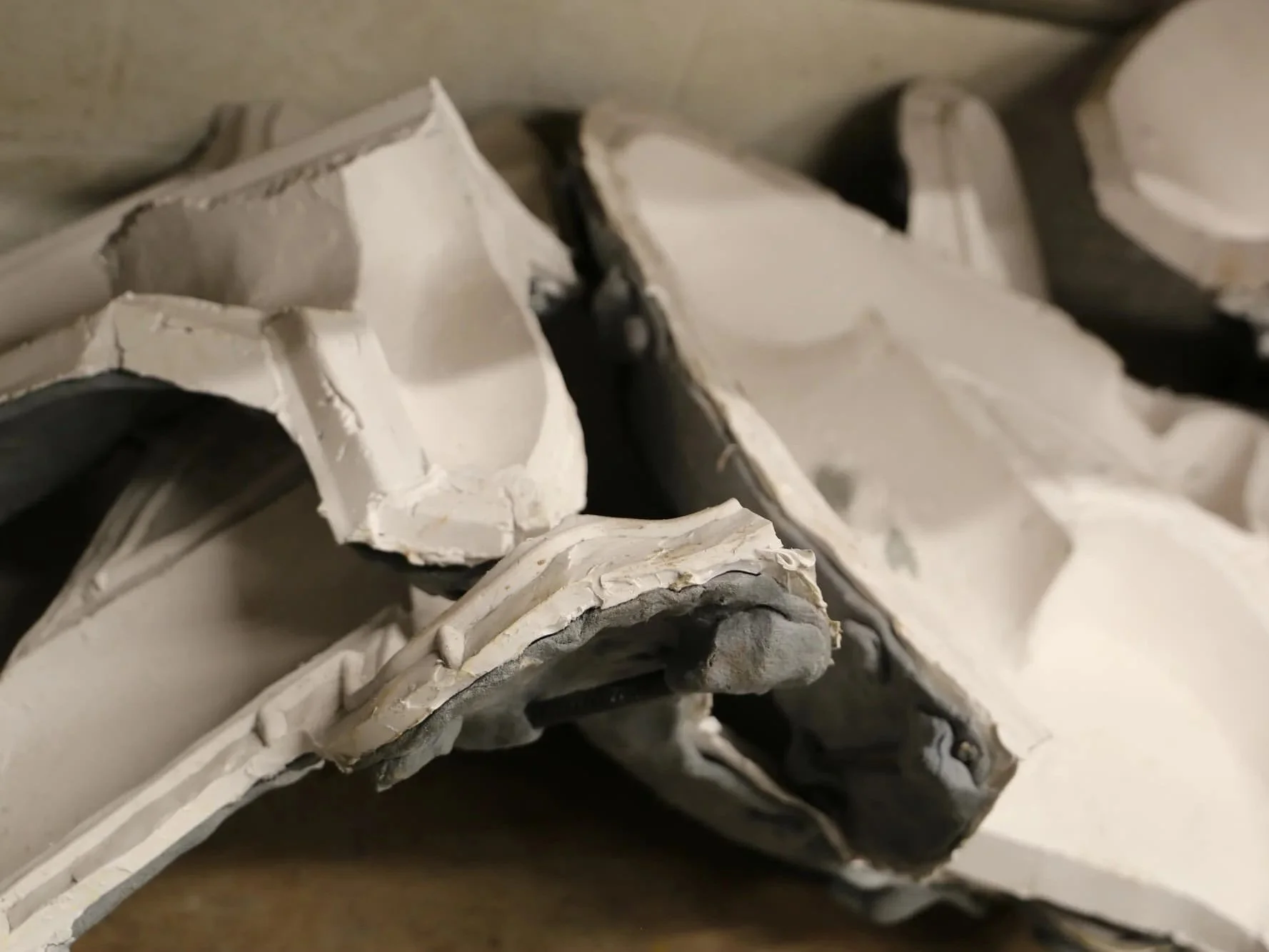
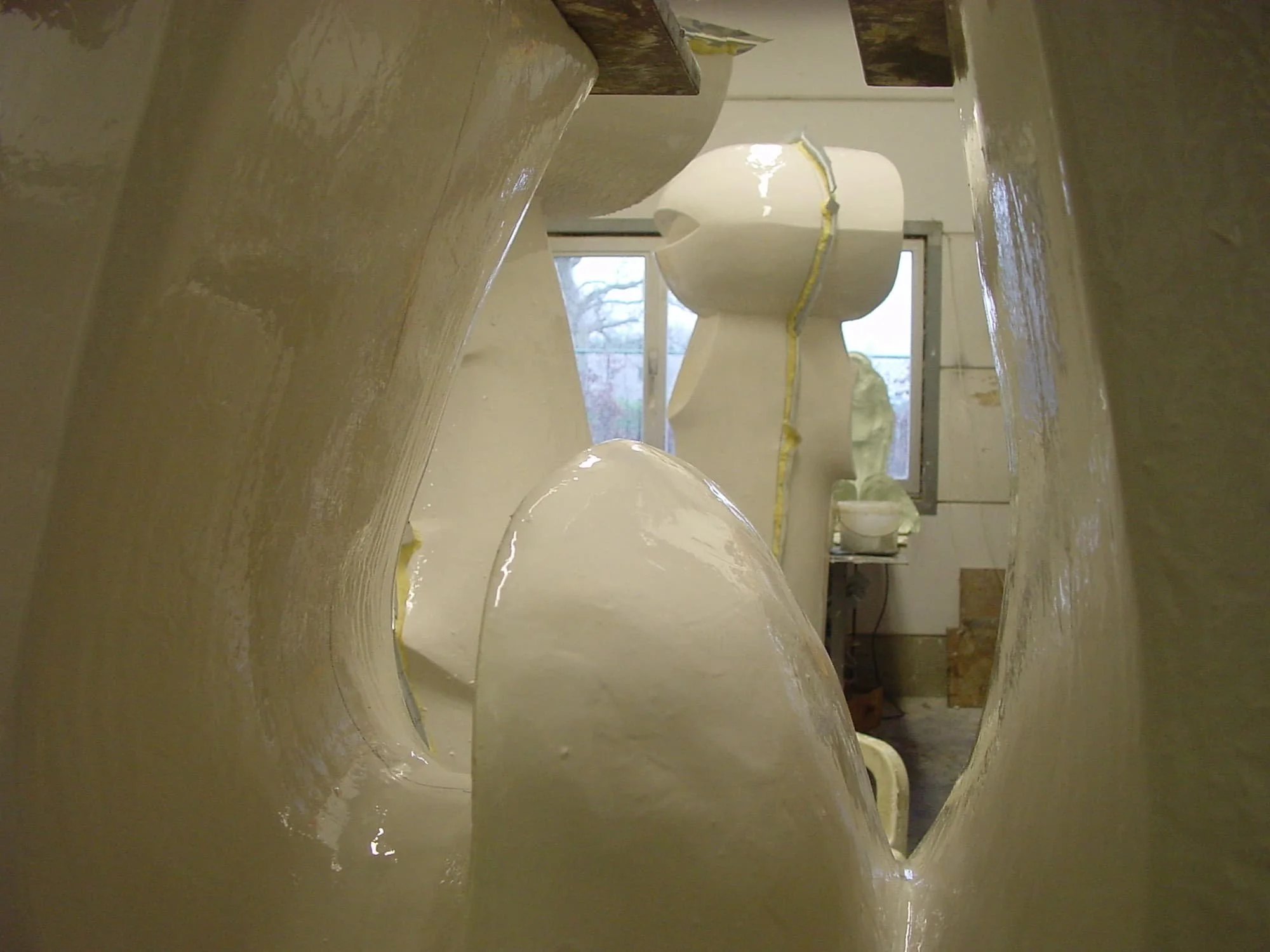
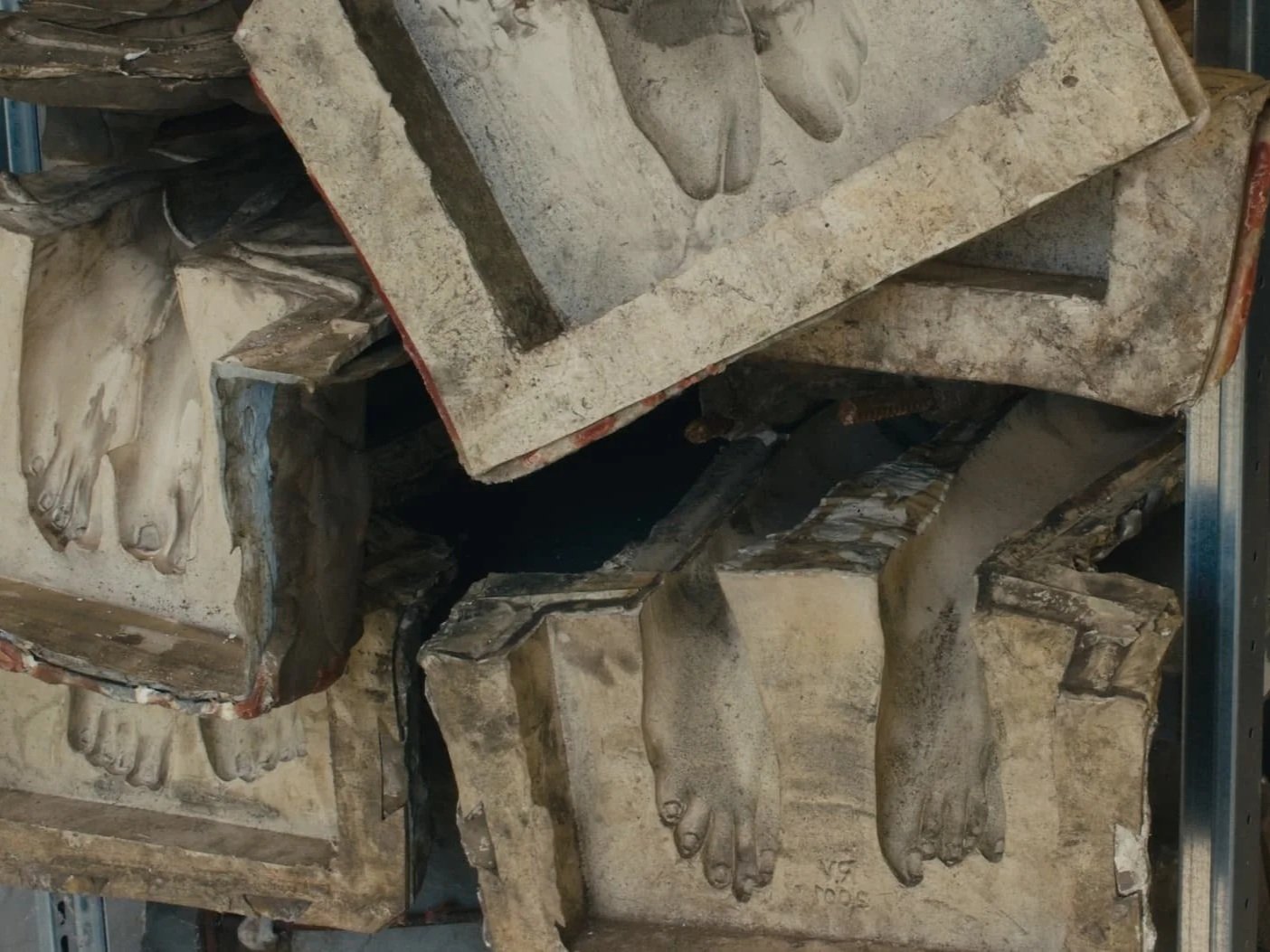
Negative Mold Making: high-quality silicone molds with durable epoxy support shells for accurate reproduction
Wax Model Production: hollow wax models that retain all fine surface details
Casting
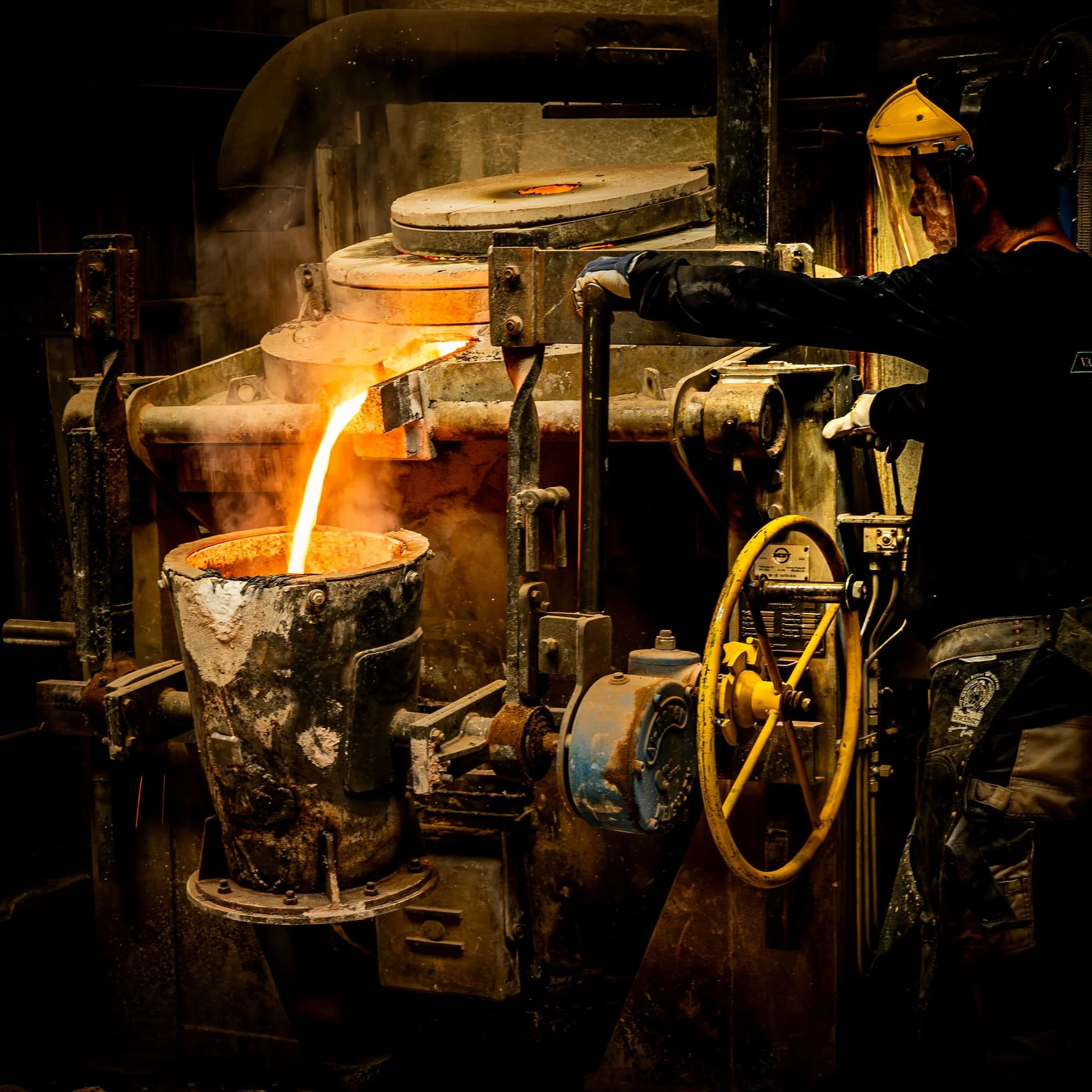
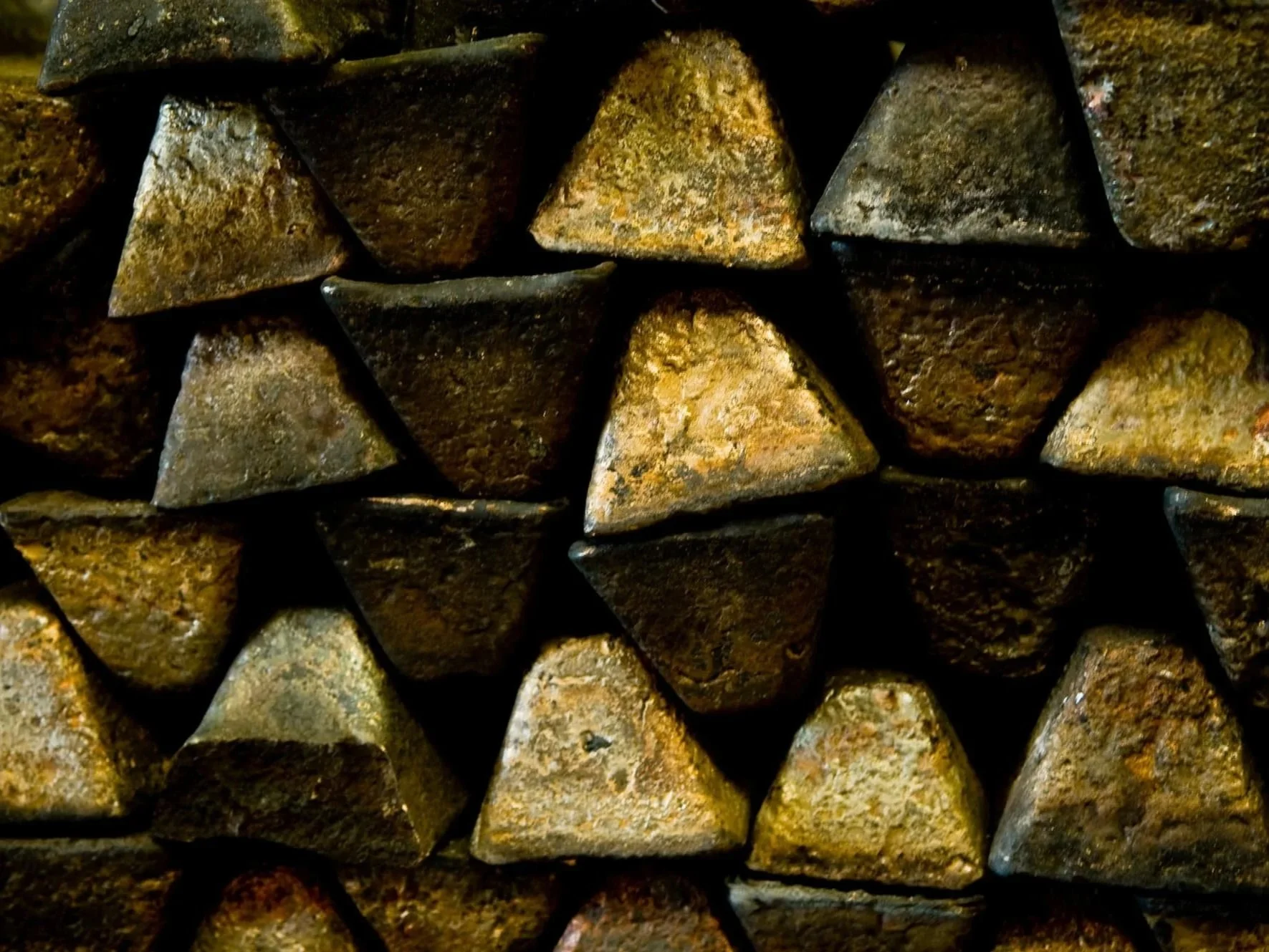
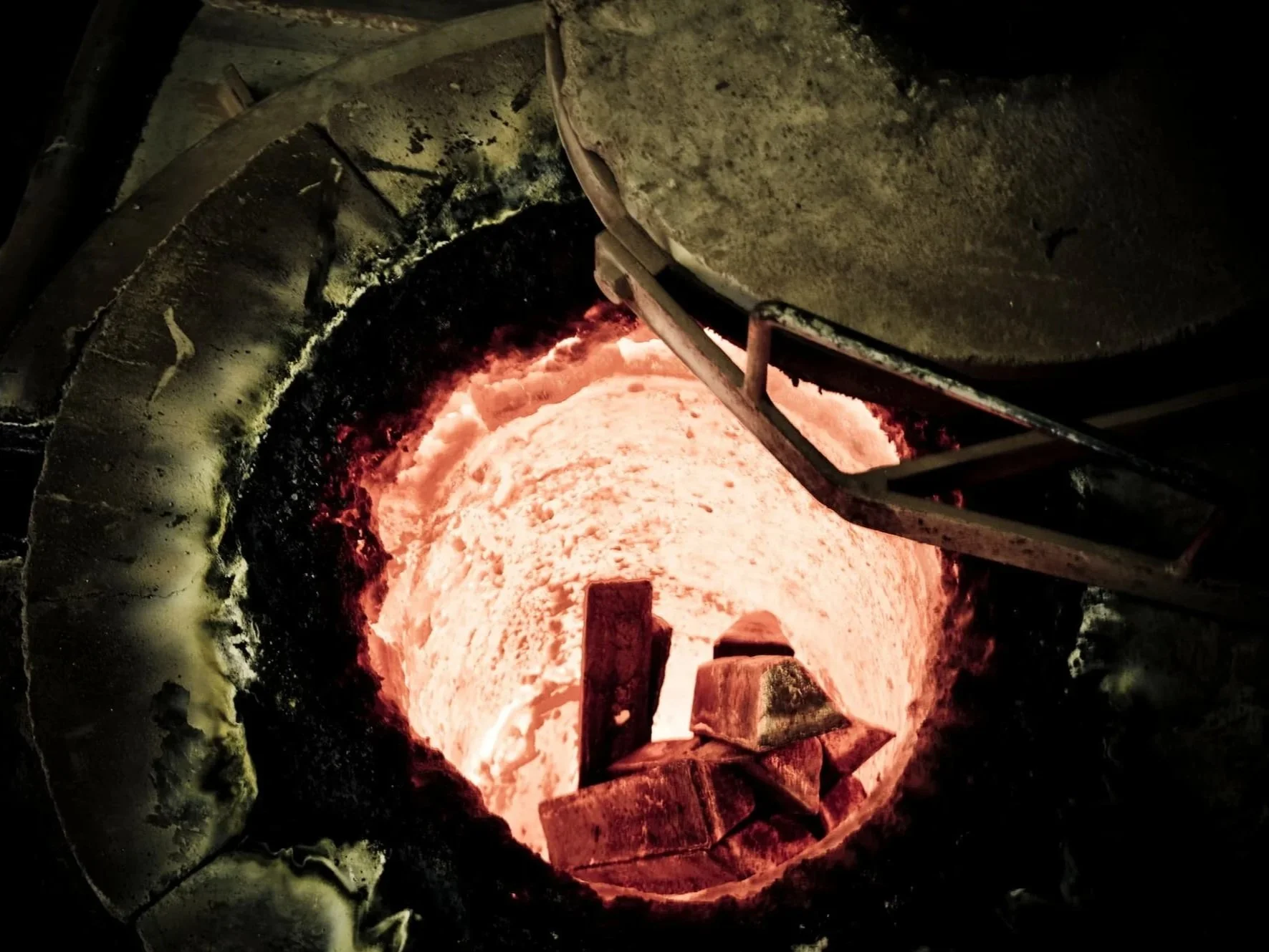
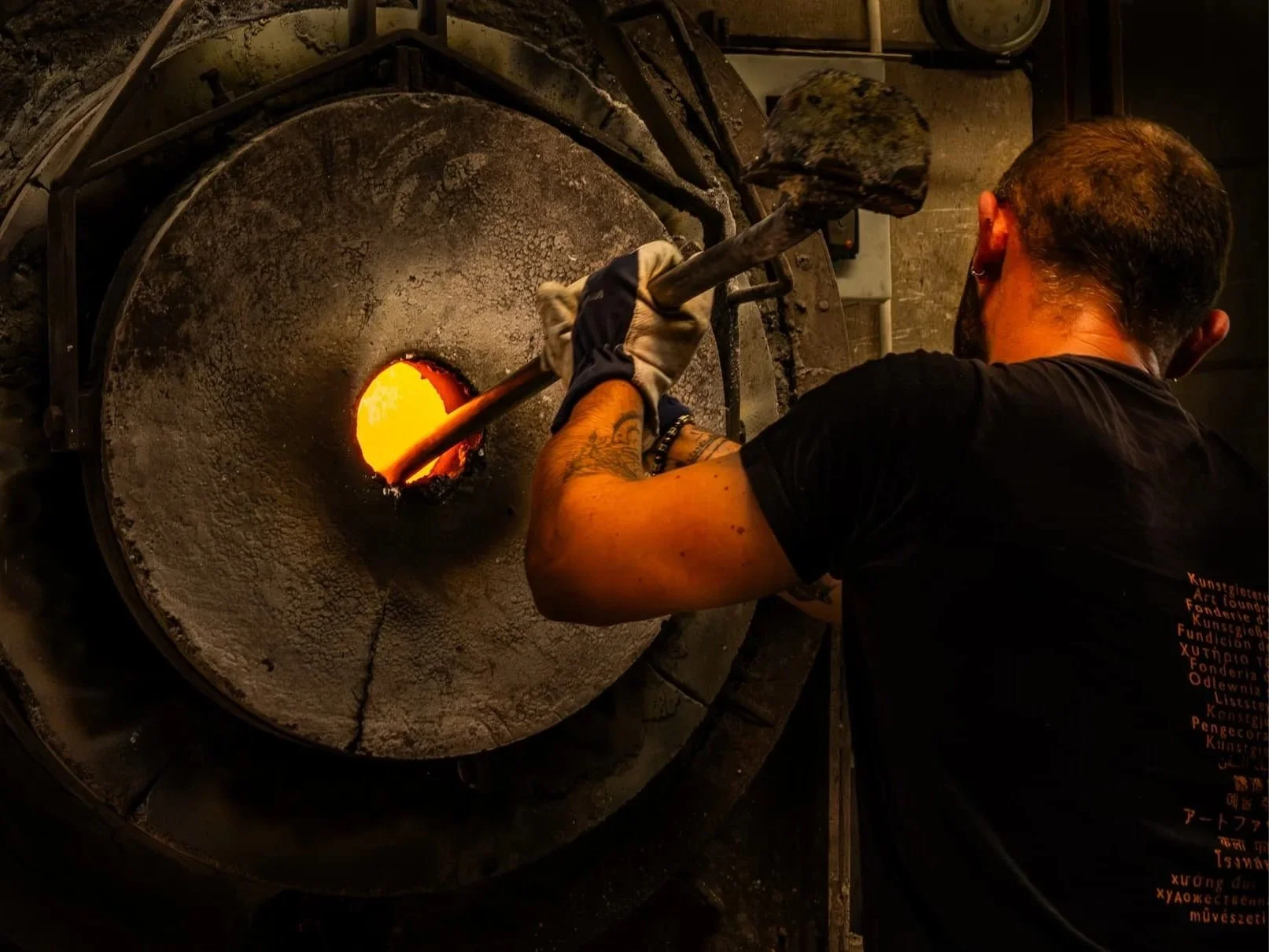
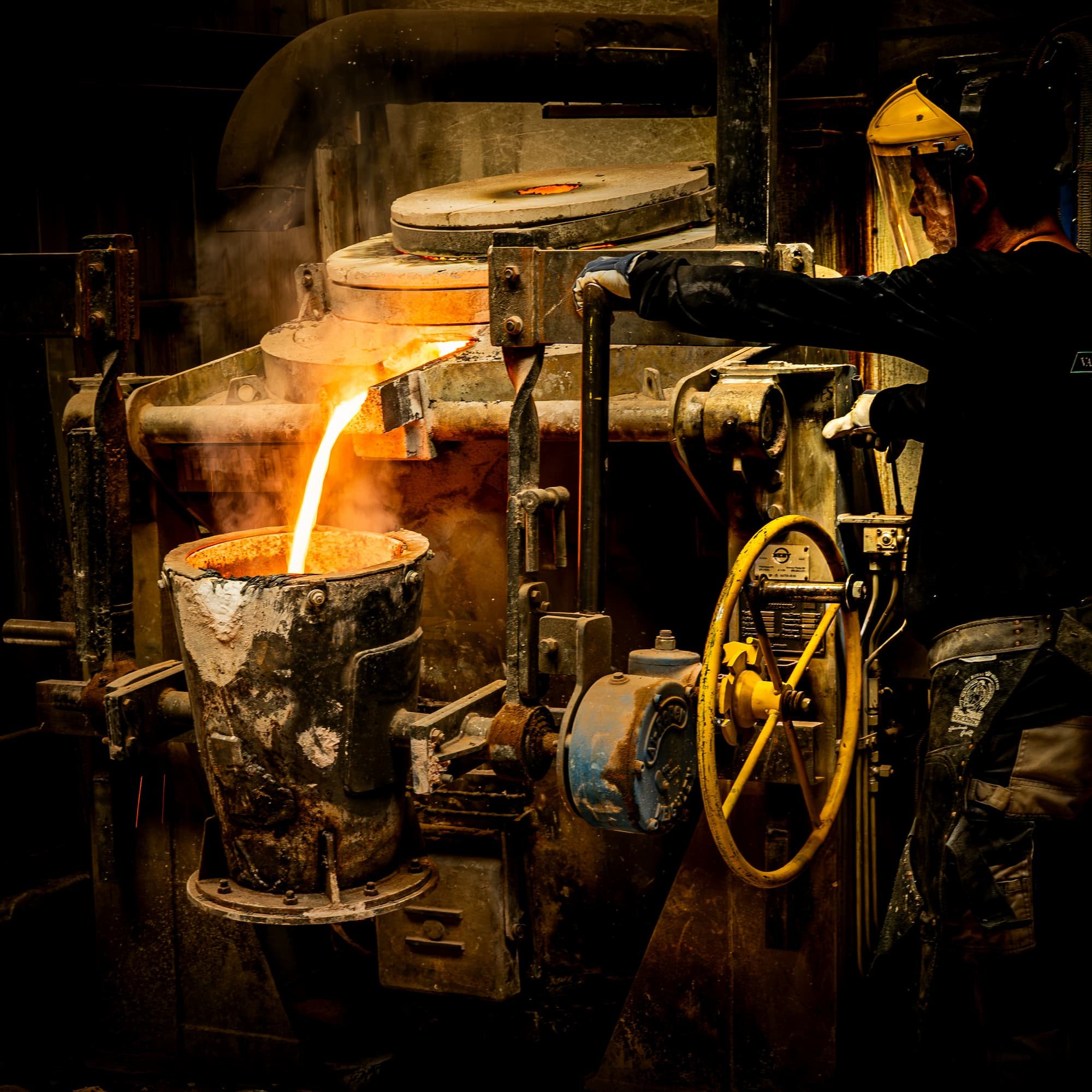
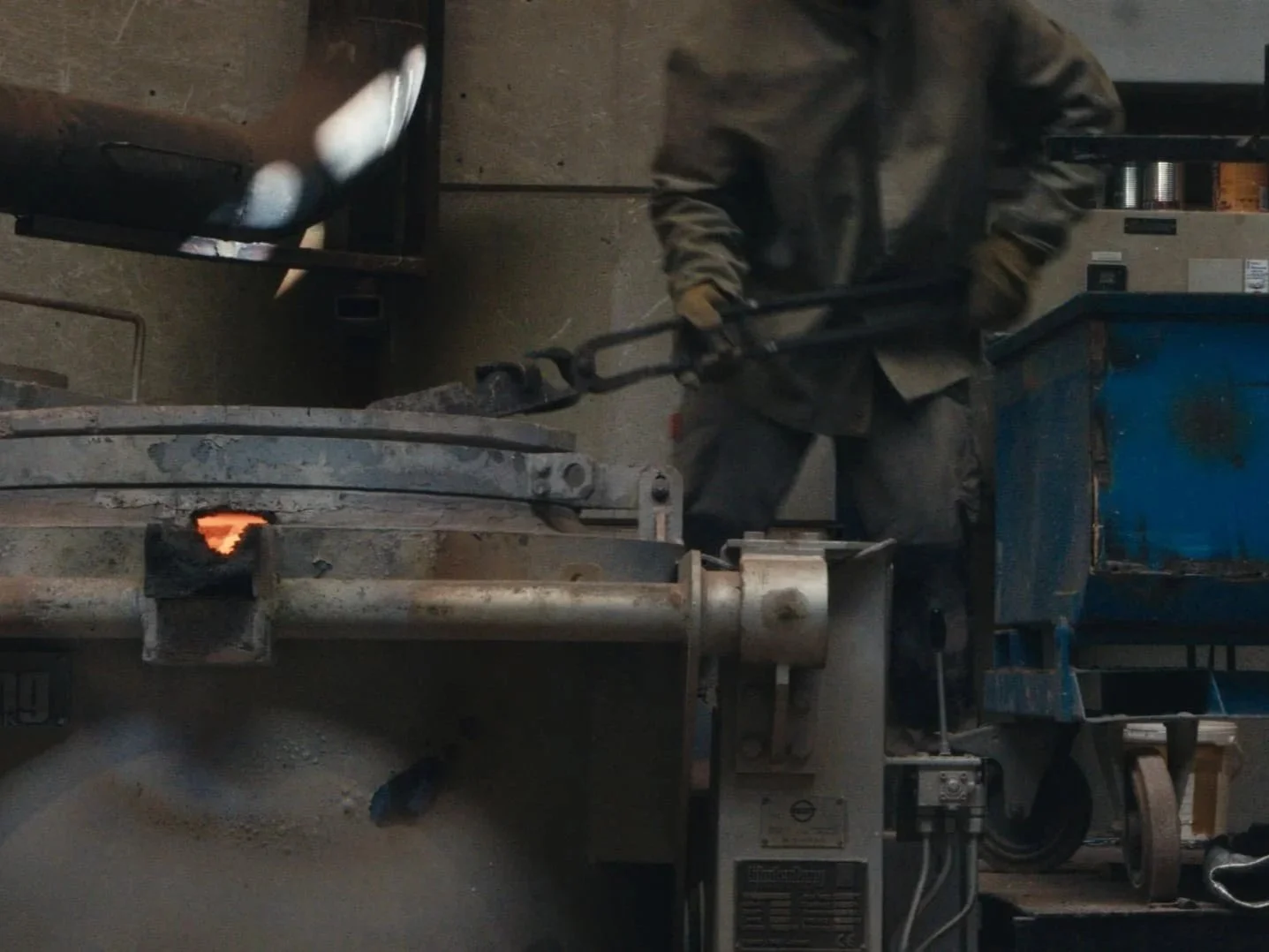
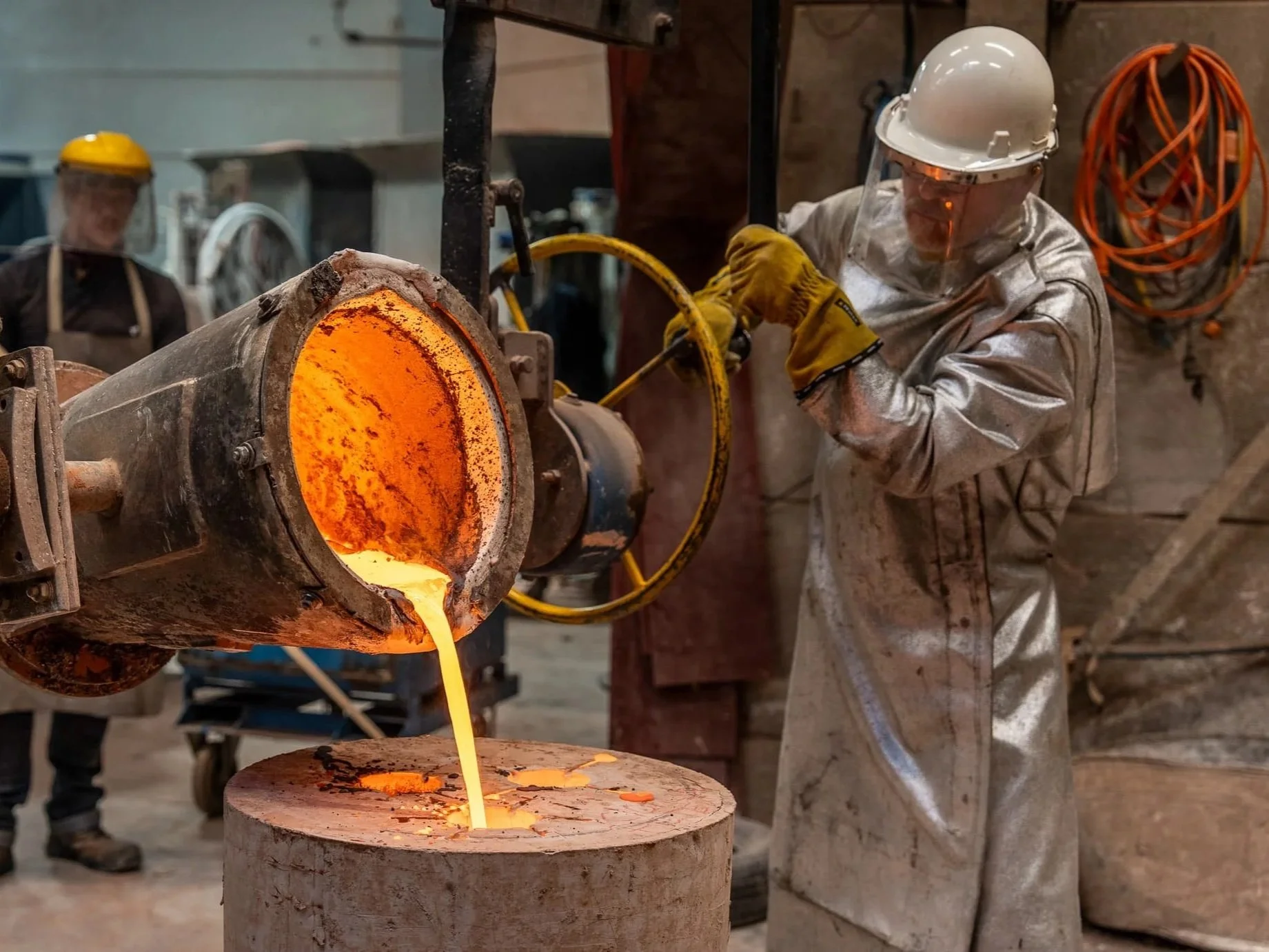
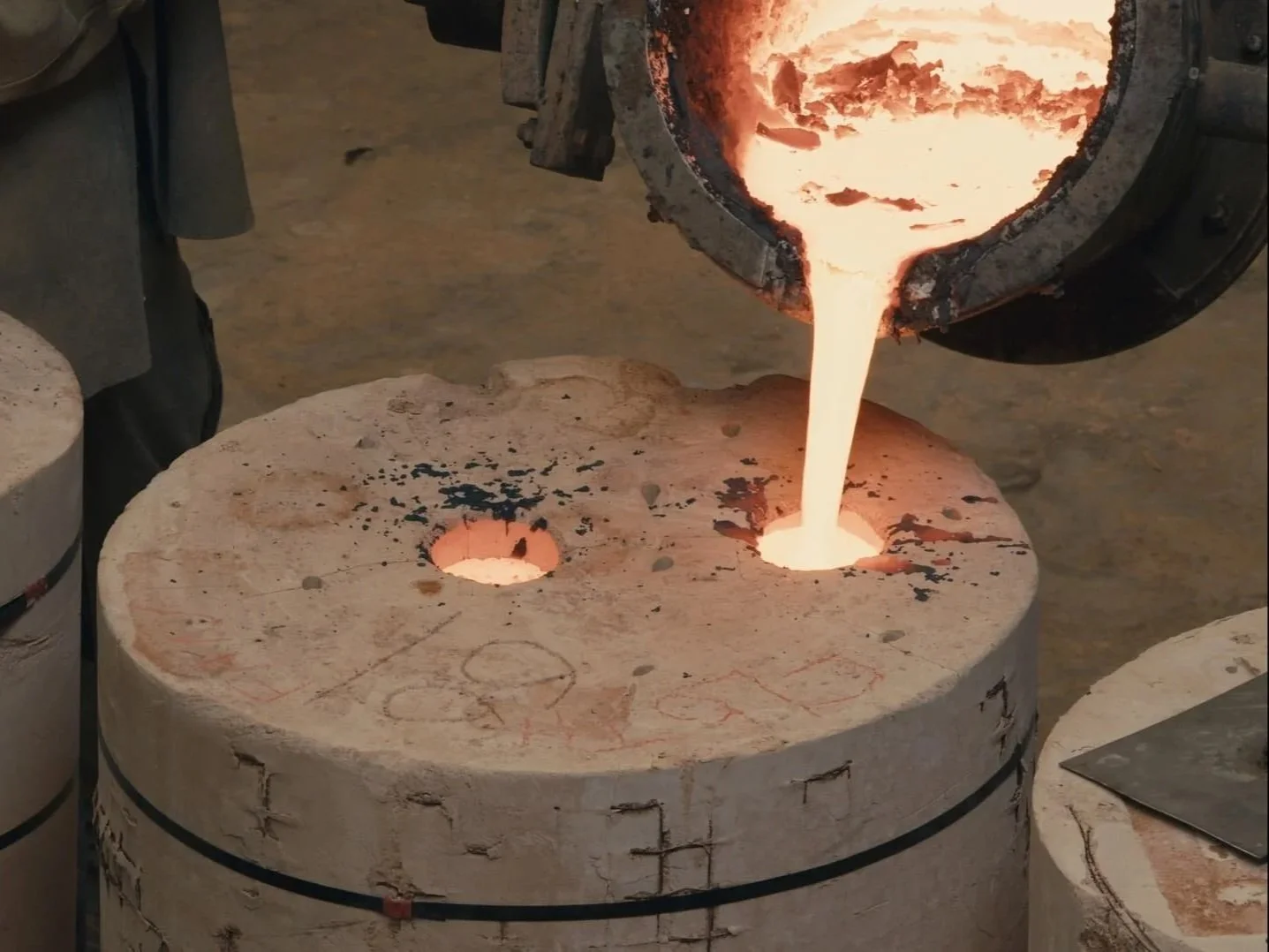
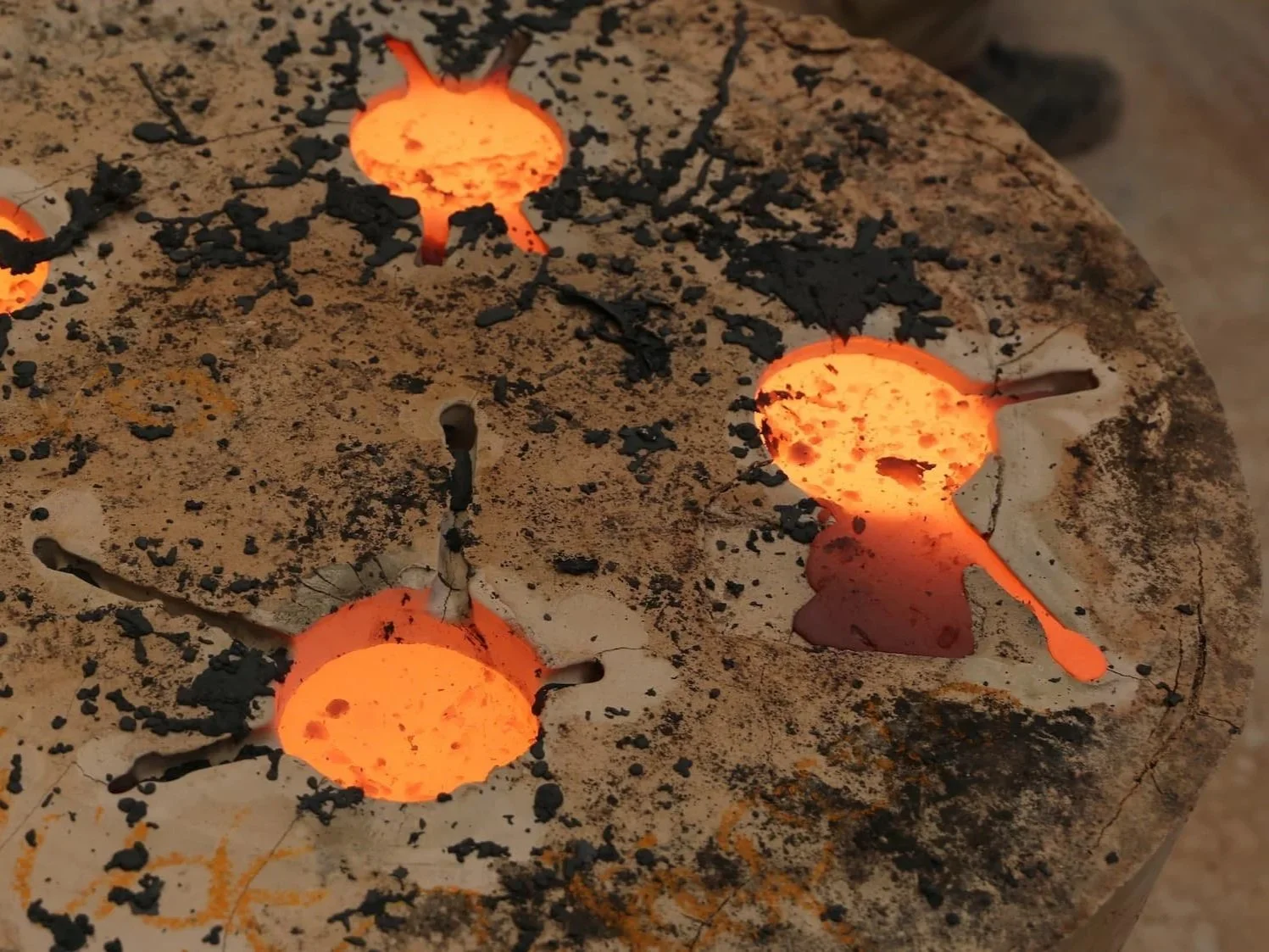
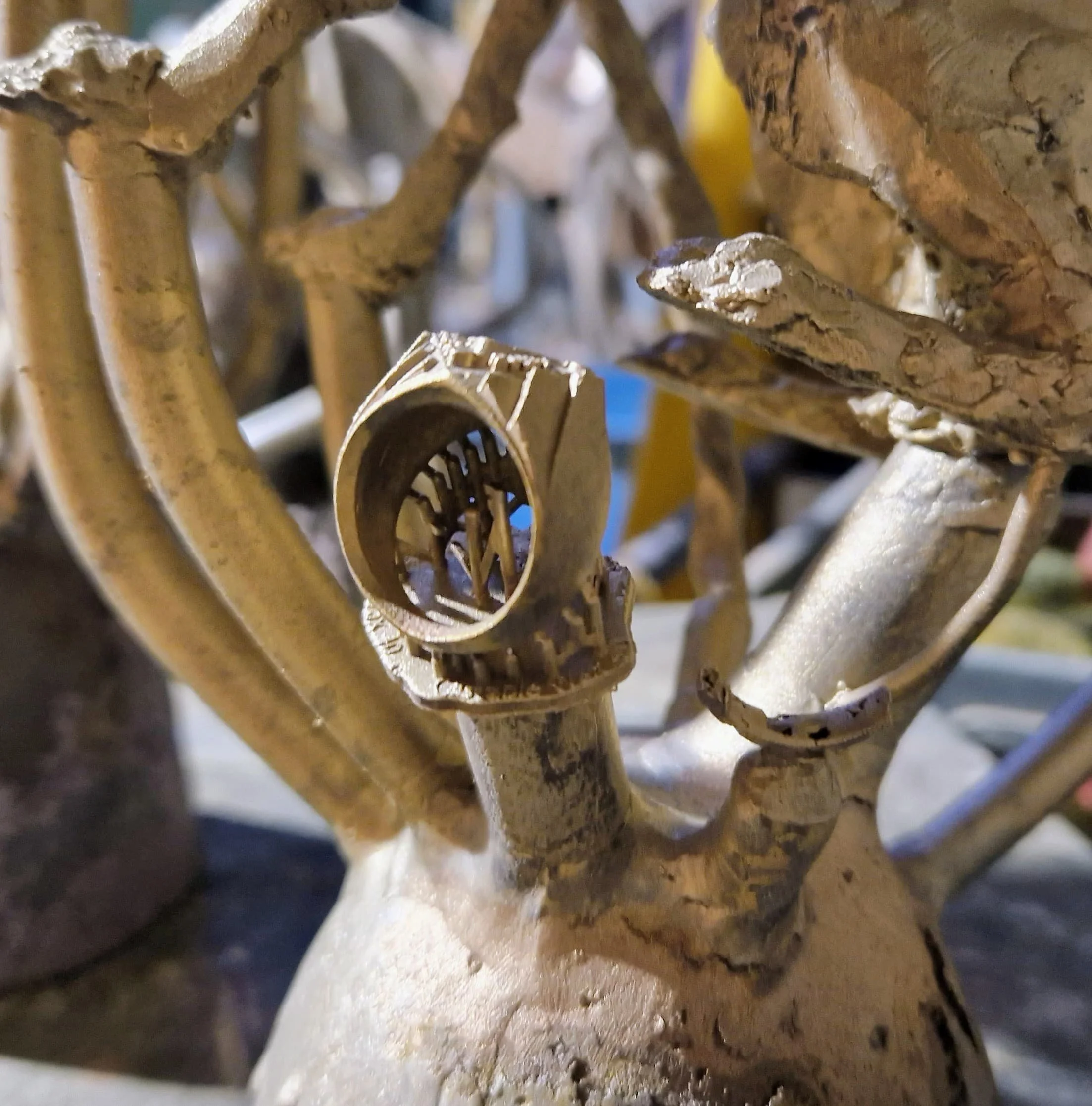
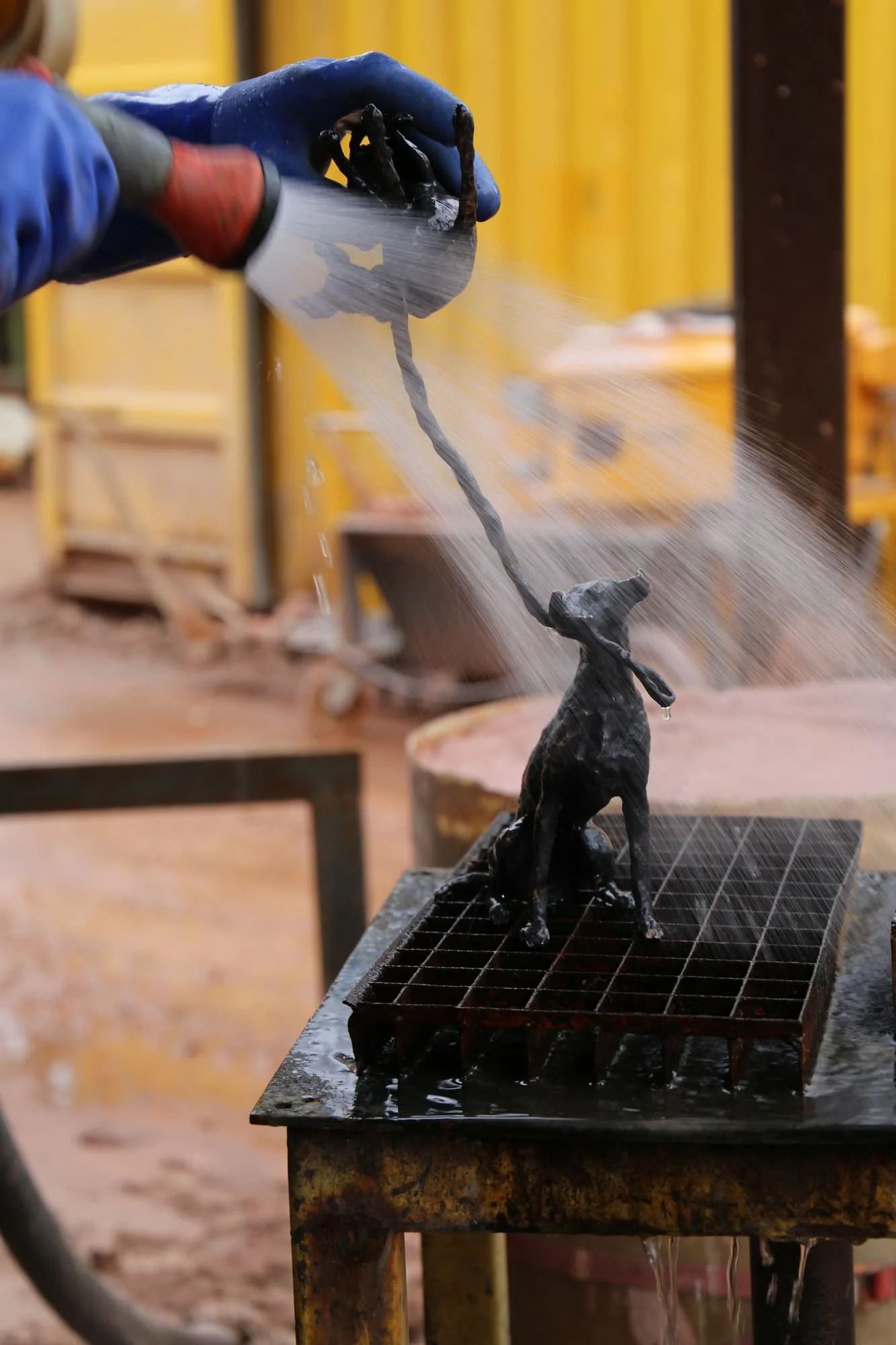
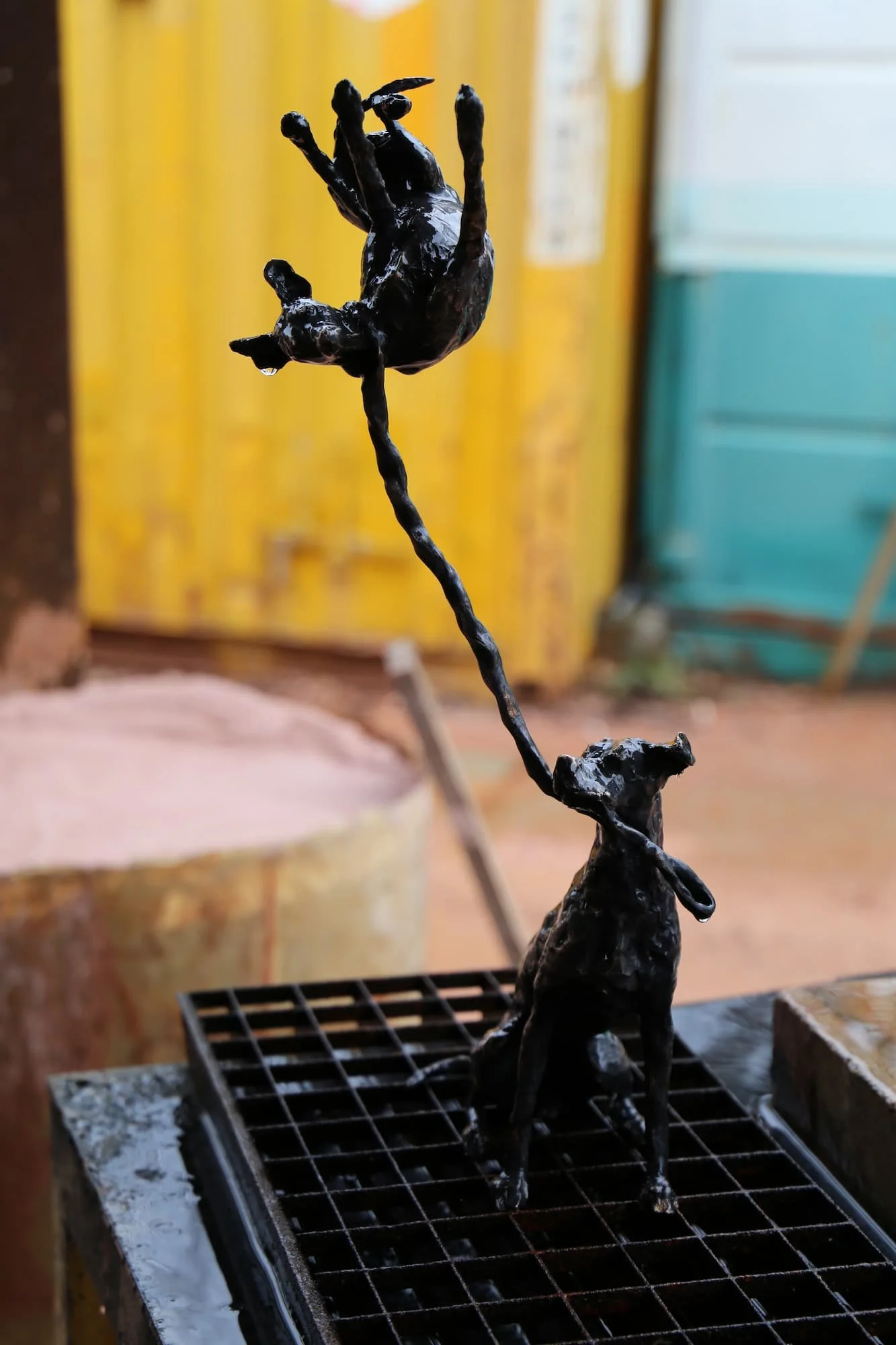
Lost-Wax Casting: traditional technique for producing high-quality and durable bronze sculptures
Vacuum Casting: ideal for jewelry-sized projects with very fine details
Finishing
Chasing: precise manual finishing after casting (refining details, reassembling parts, and restoring original textures)
Internal Metal Structures: designed supports for stability in larger works
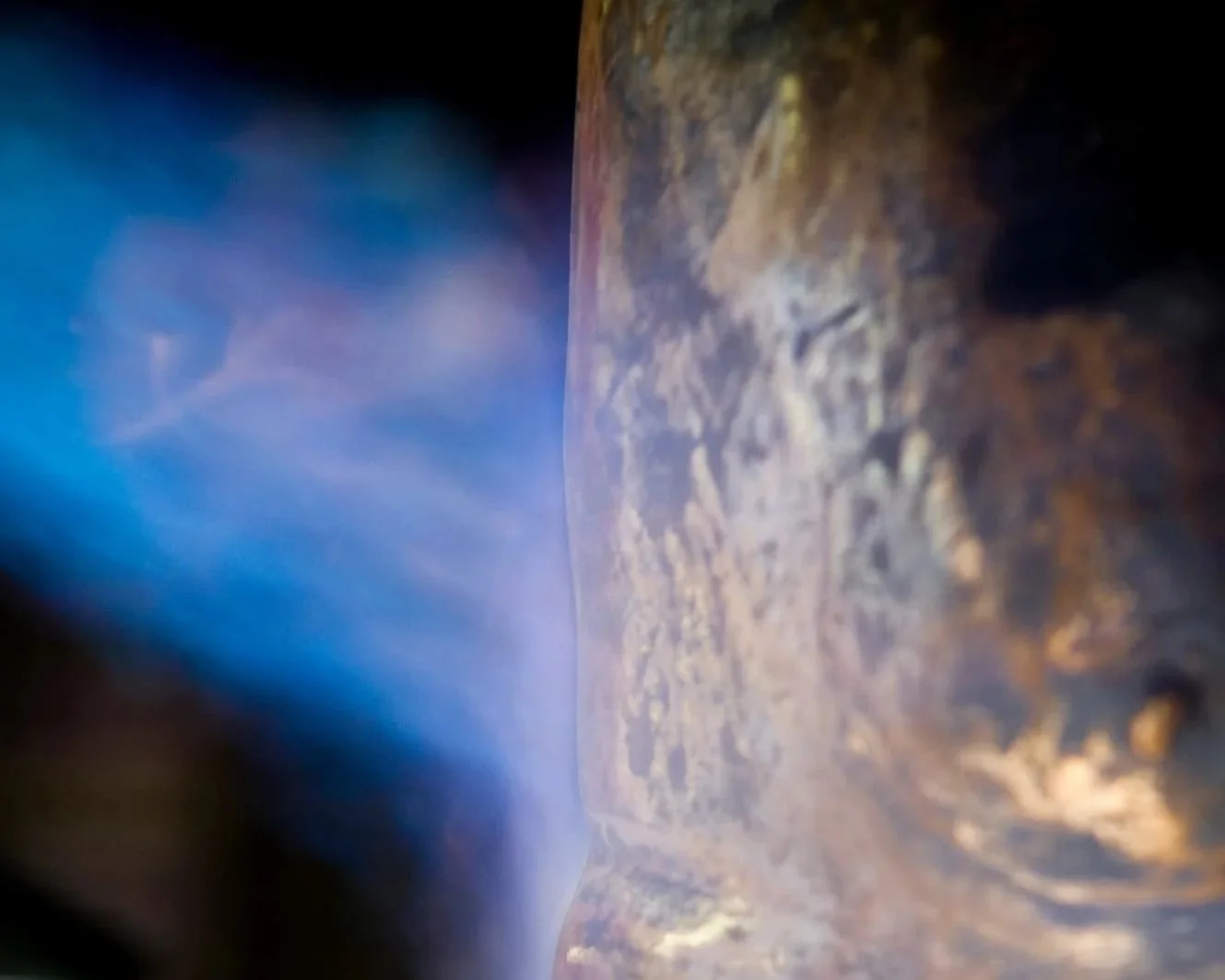
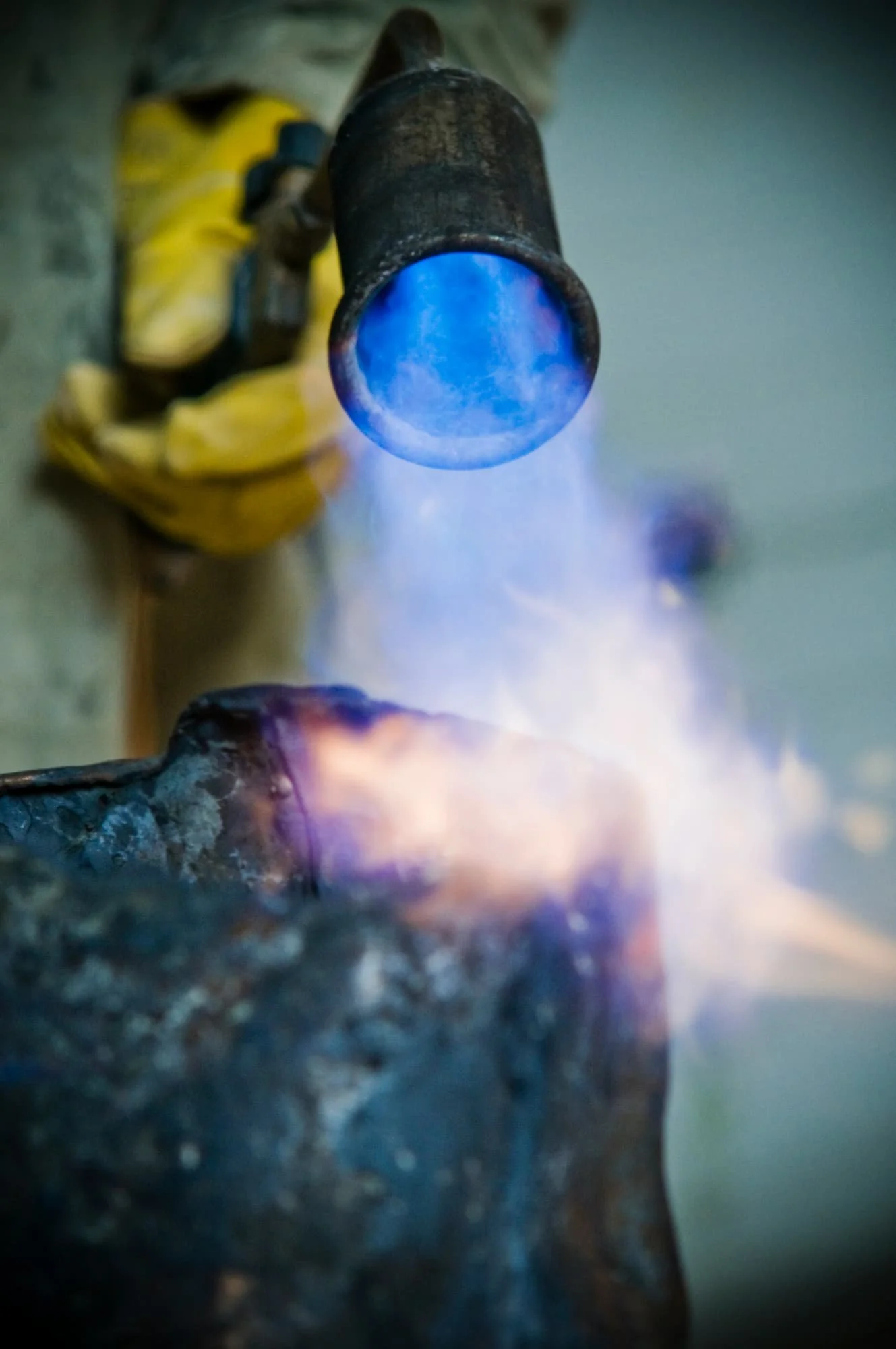
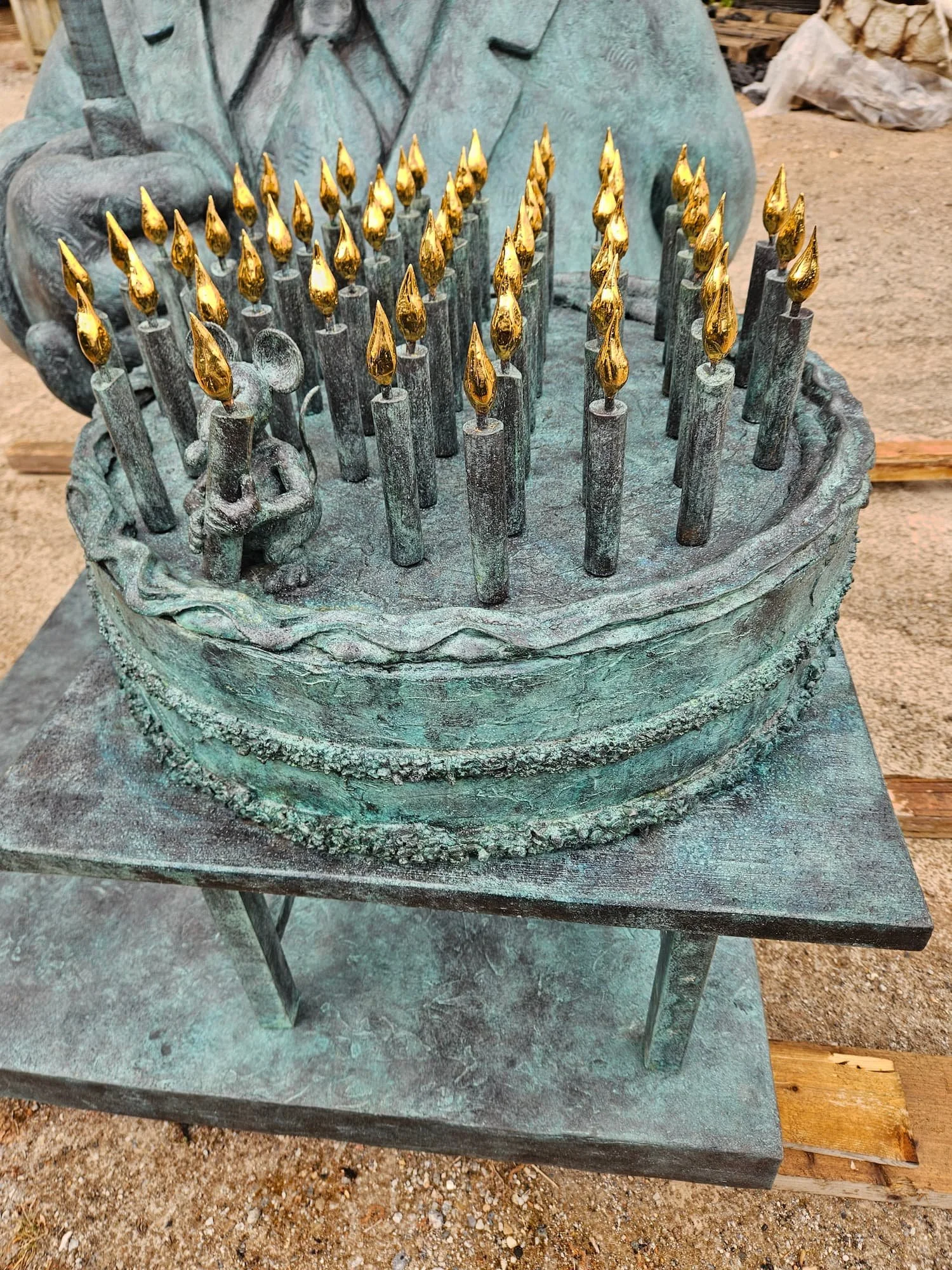
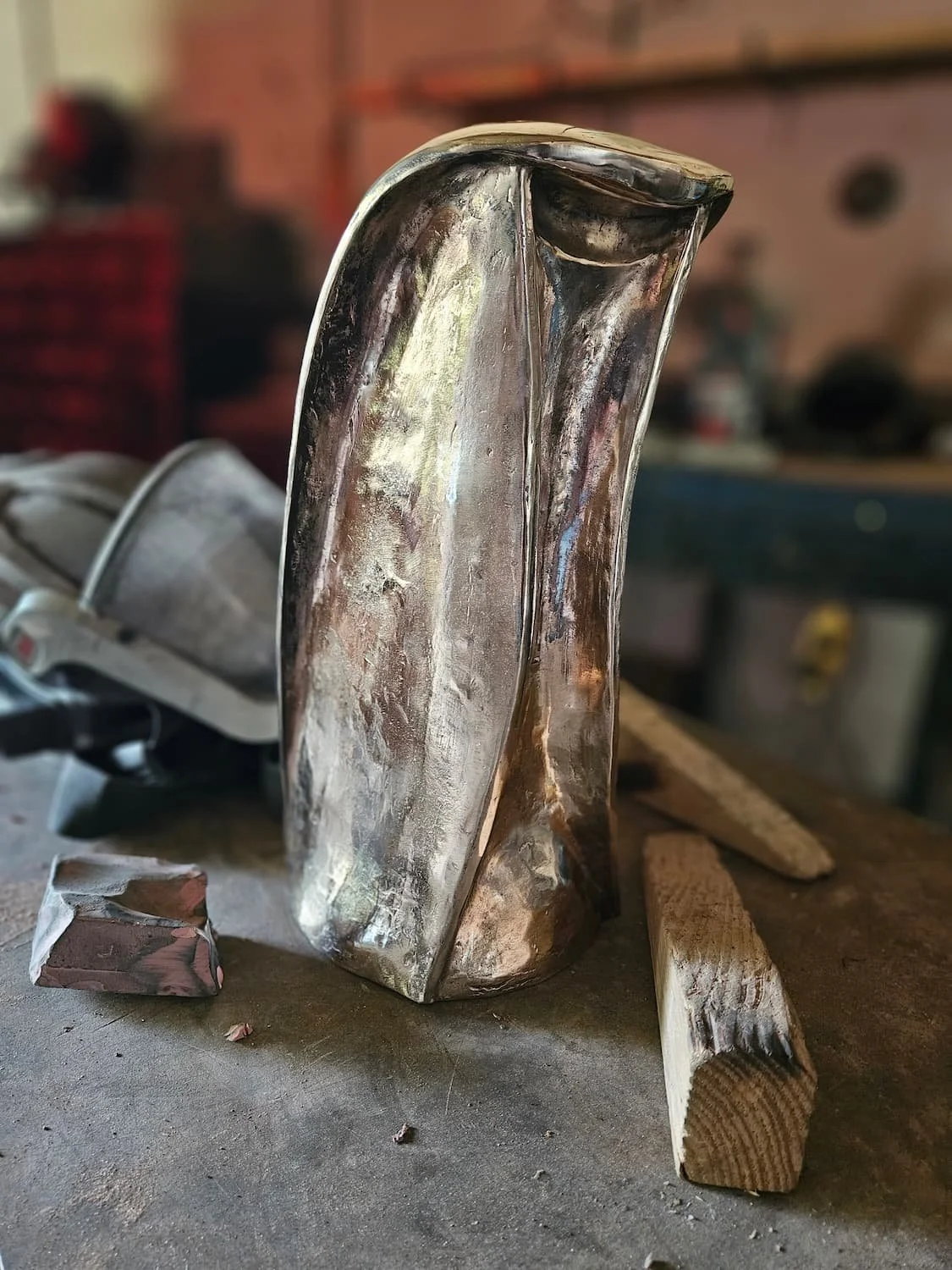
Patination: controlled chemical processes to achieve black, brown, green (verdigris), and other custom finishes
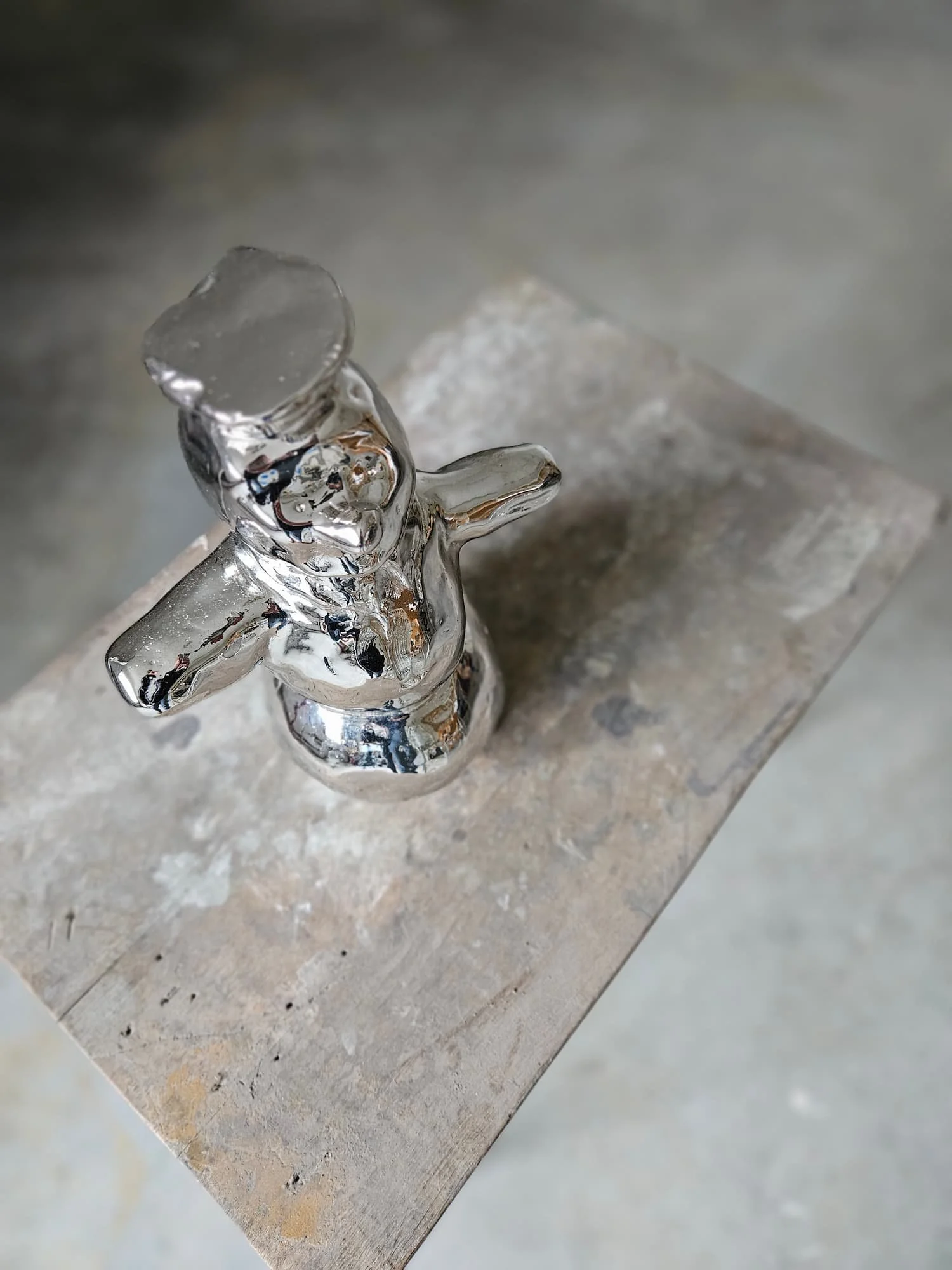
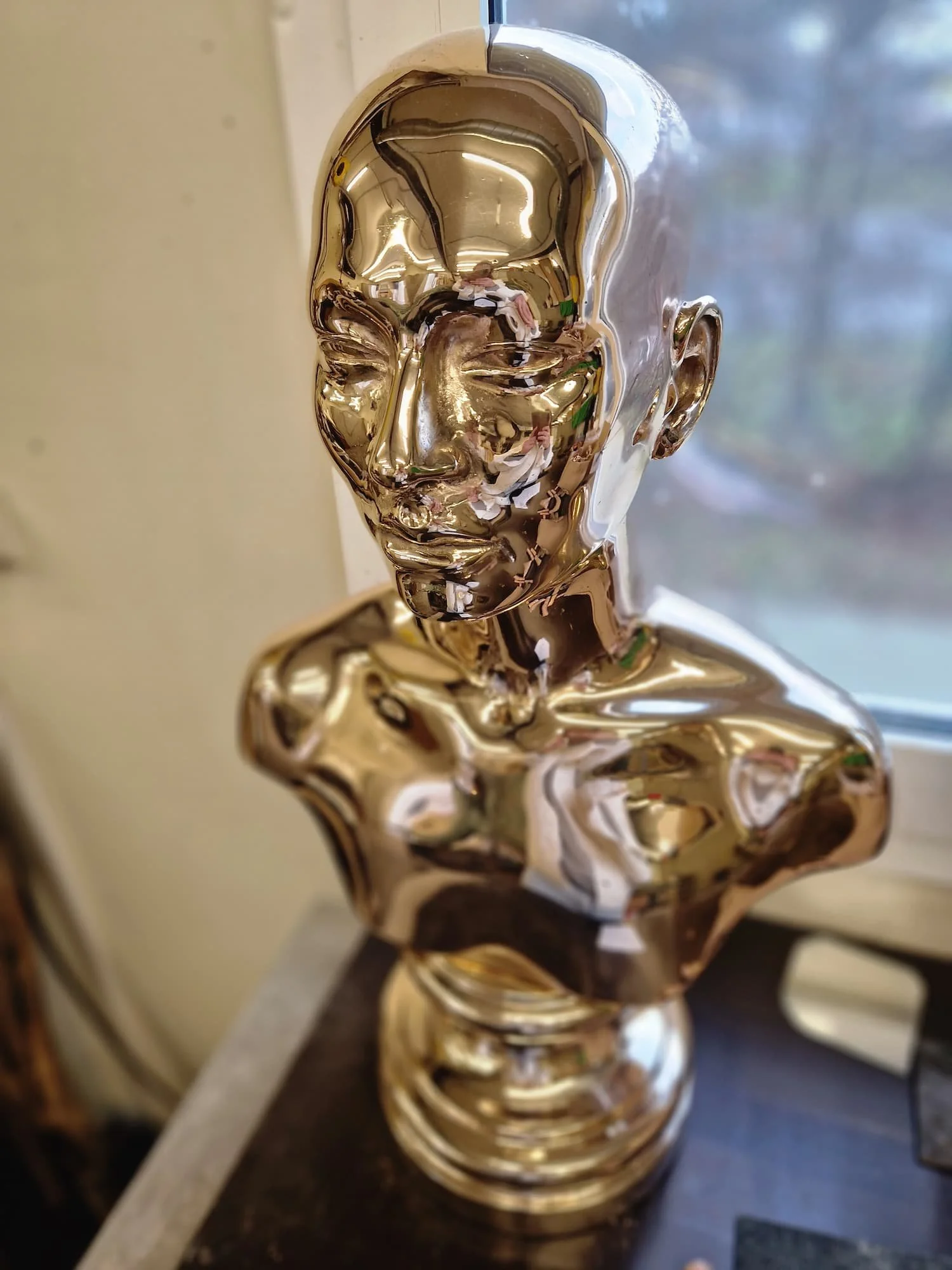
Polishing: high-gloss finish (mirror polish or satin finish)
Painting: color finish tailored to the artistic intention
Varnishing: protective and decorative varnish layers
Metallic finishes: chrome plating, silver plating, nickel plating, or gilding for specialized finishes
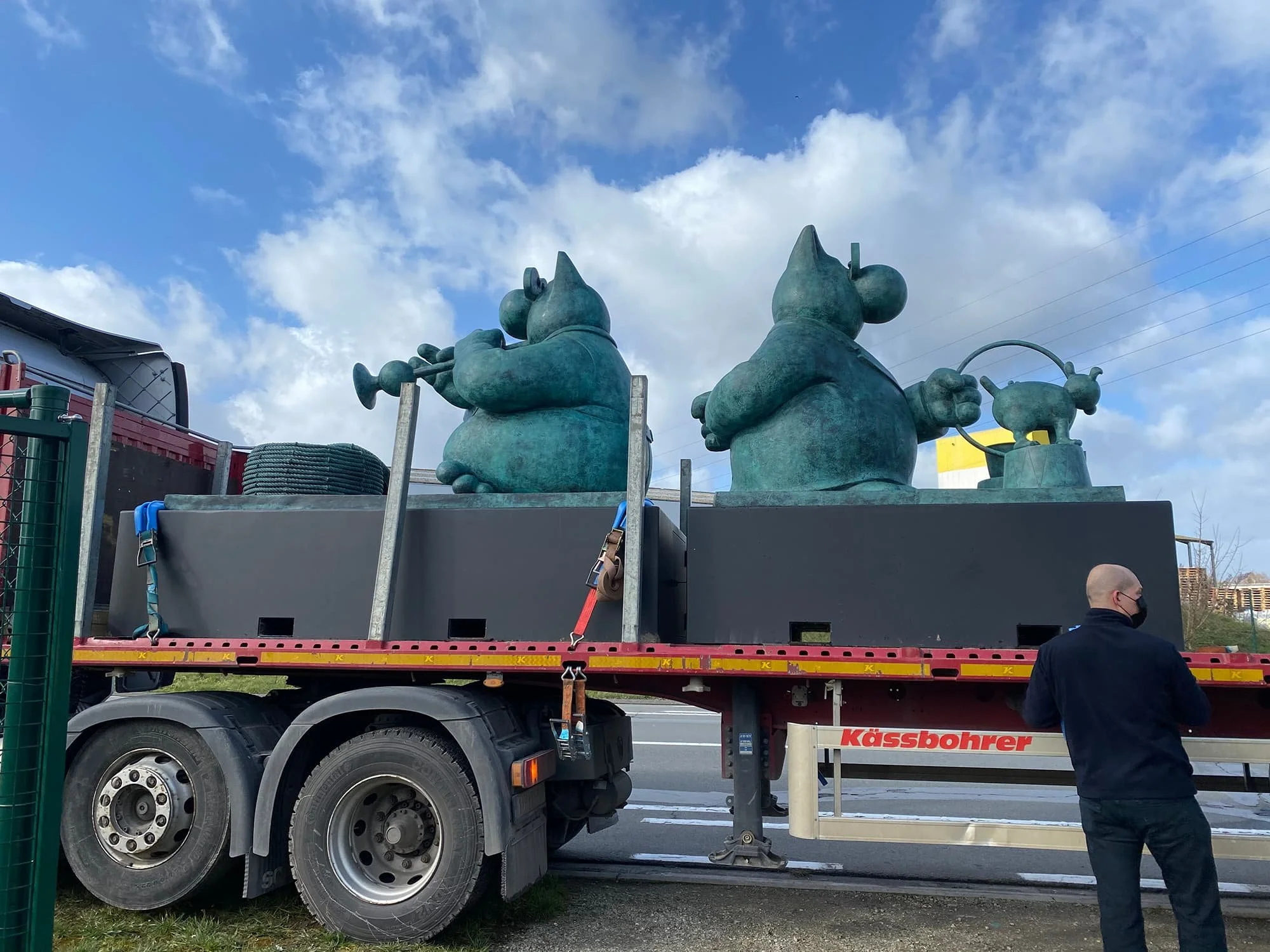
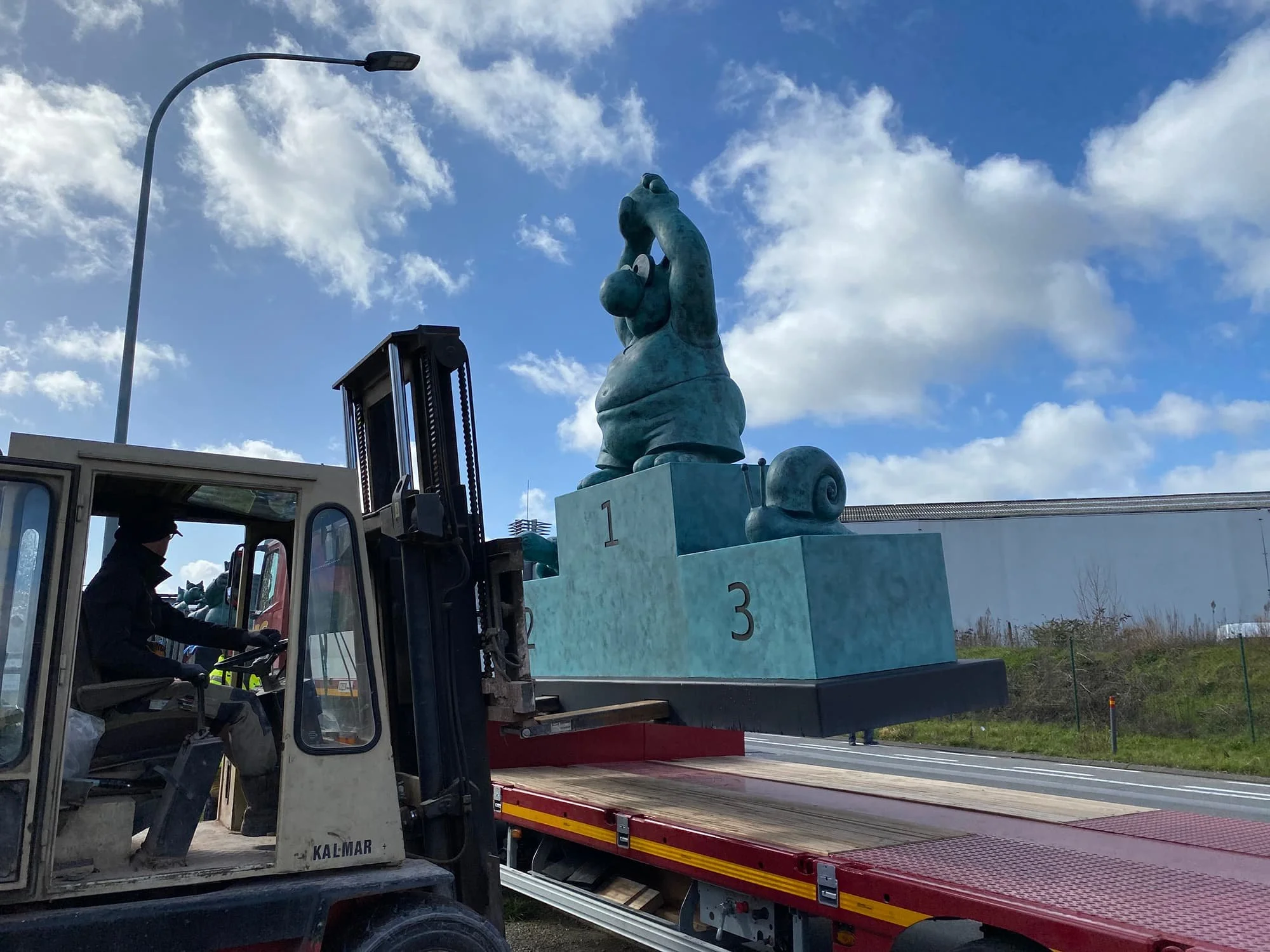
Logistics
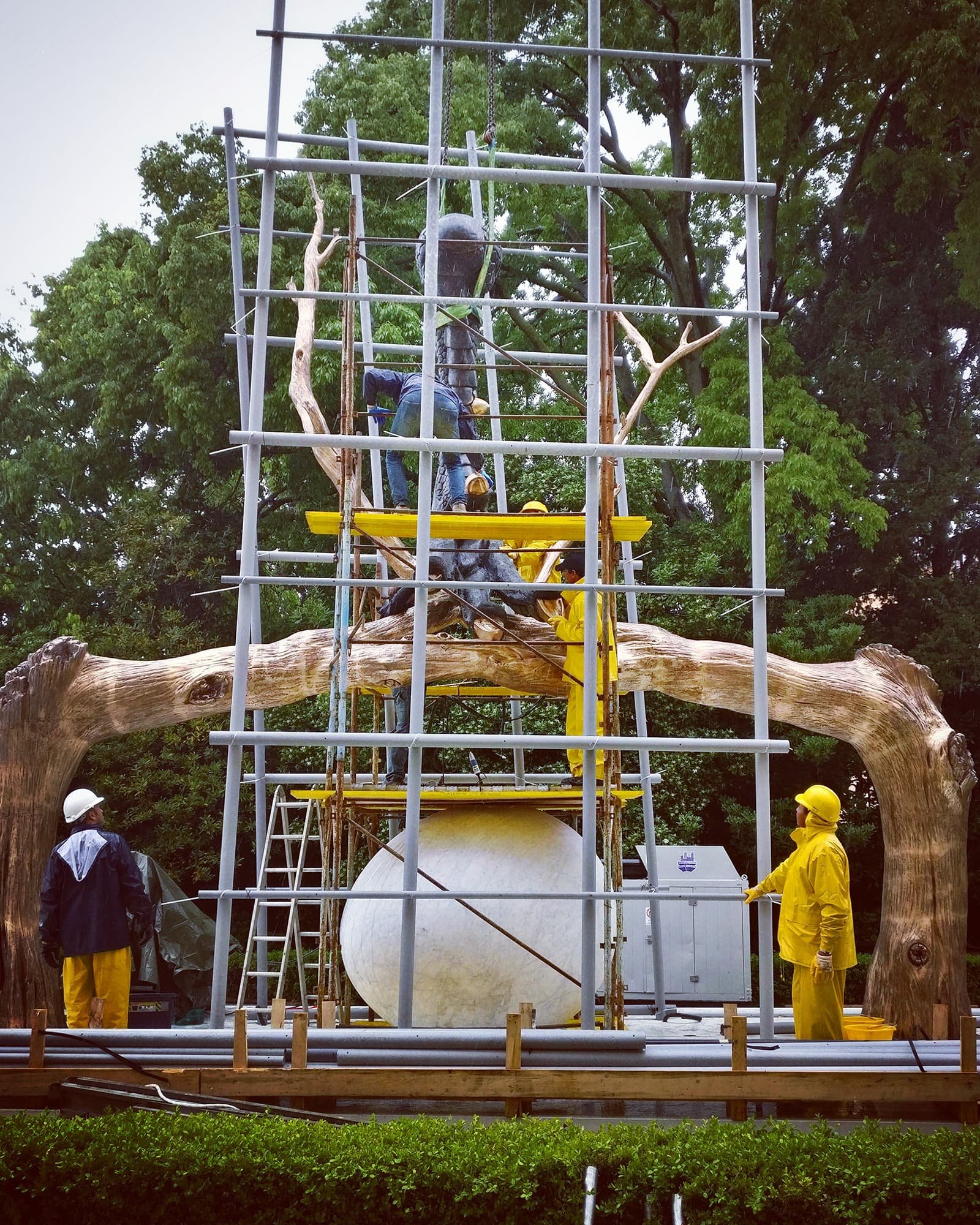
Pedestals & bases: custom-designed pedestals, tailored to the sculpture and its environment
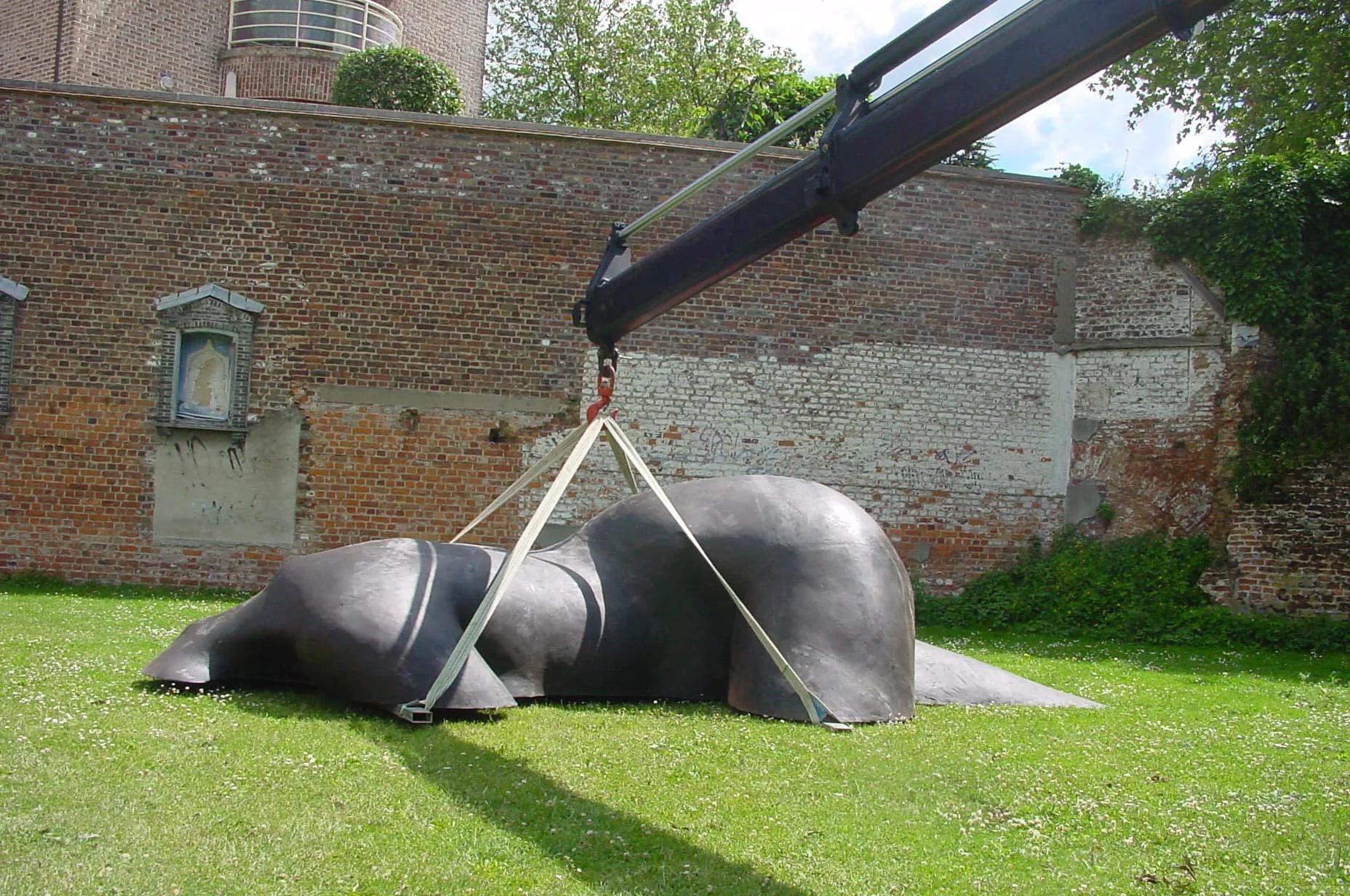
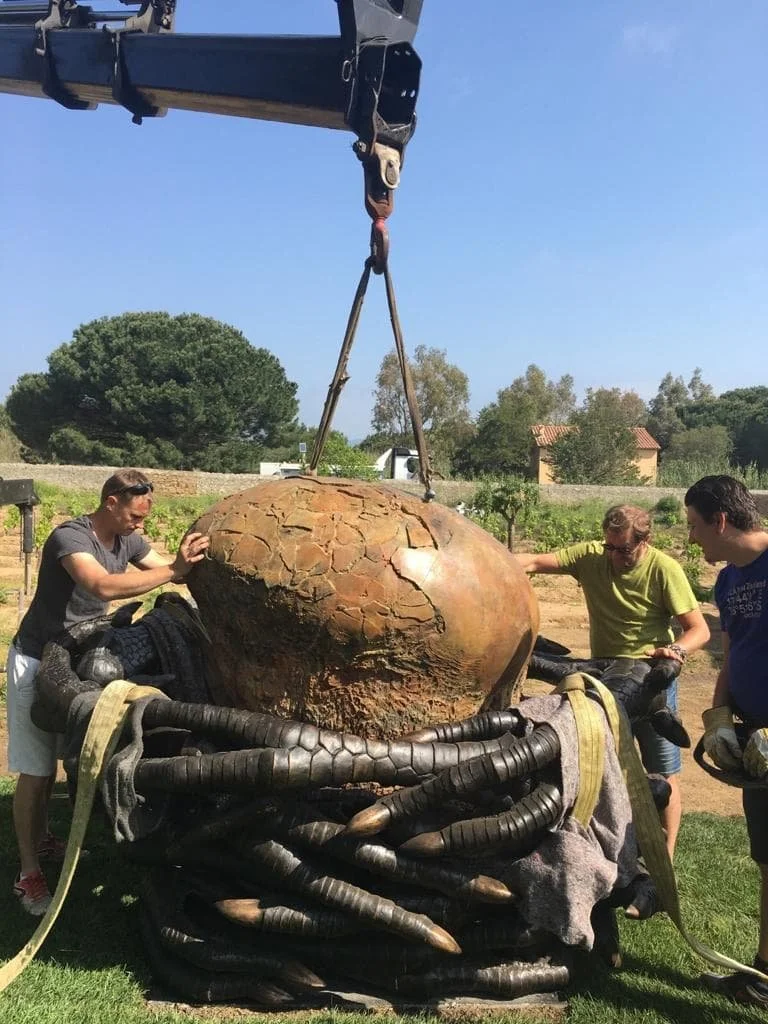
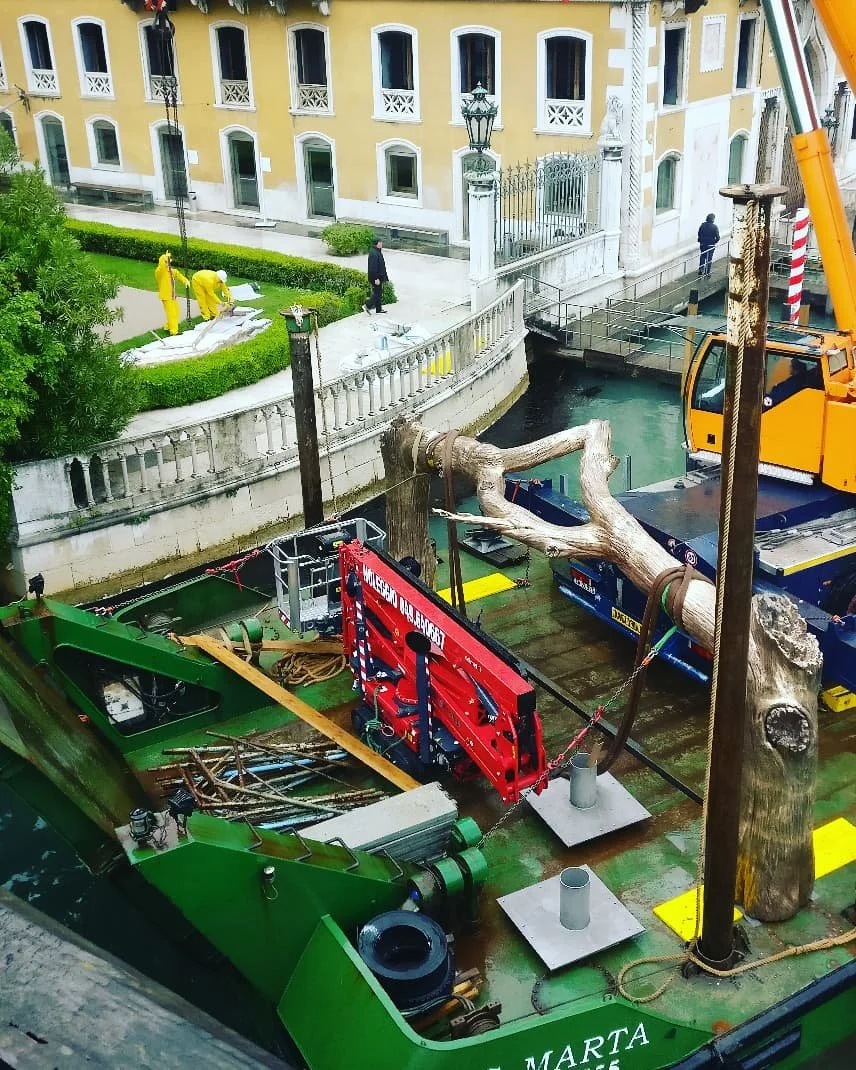
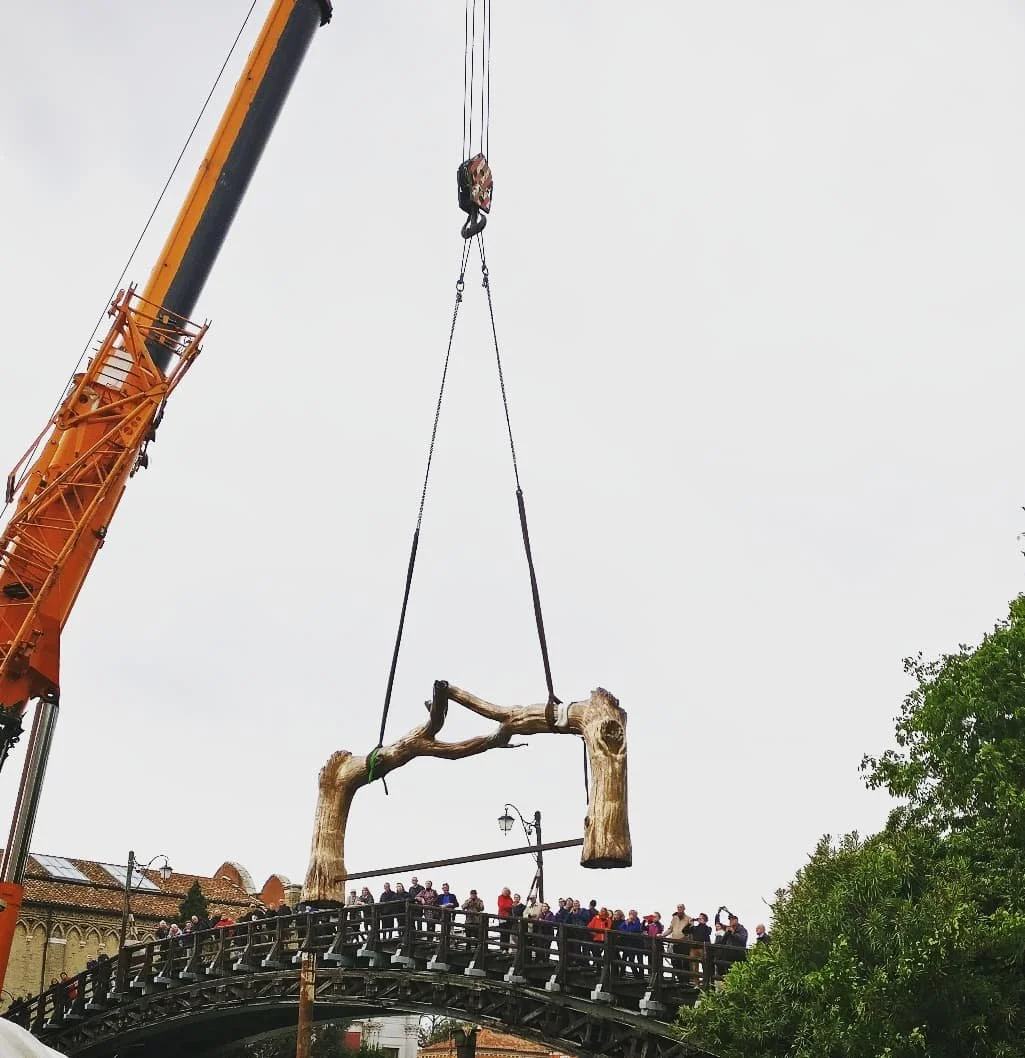
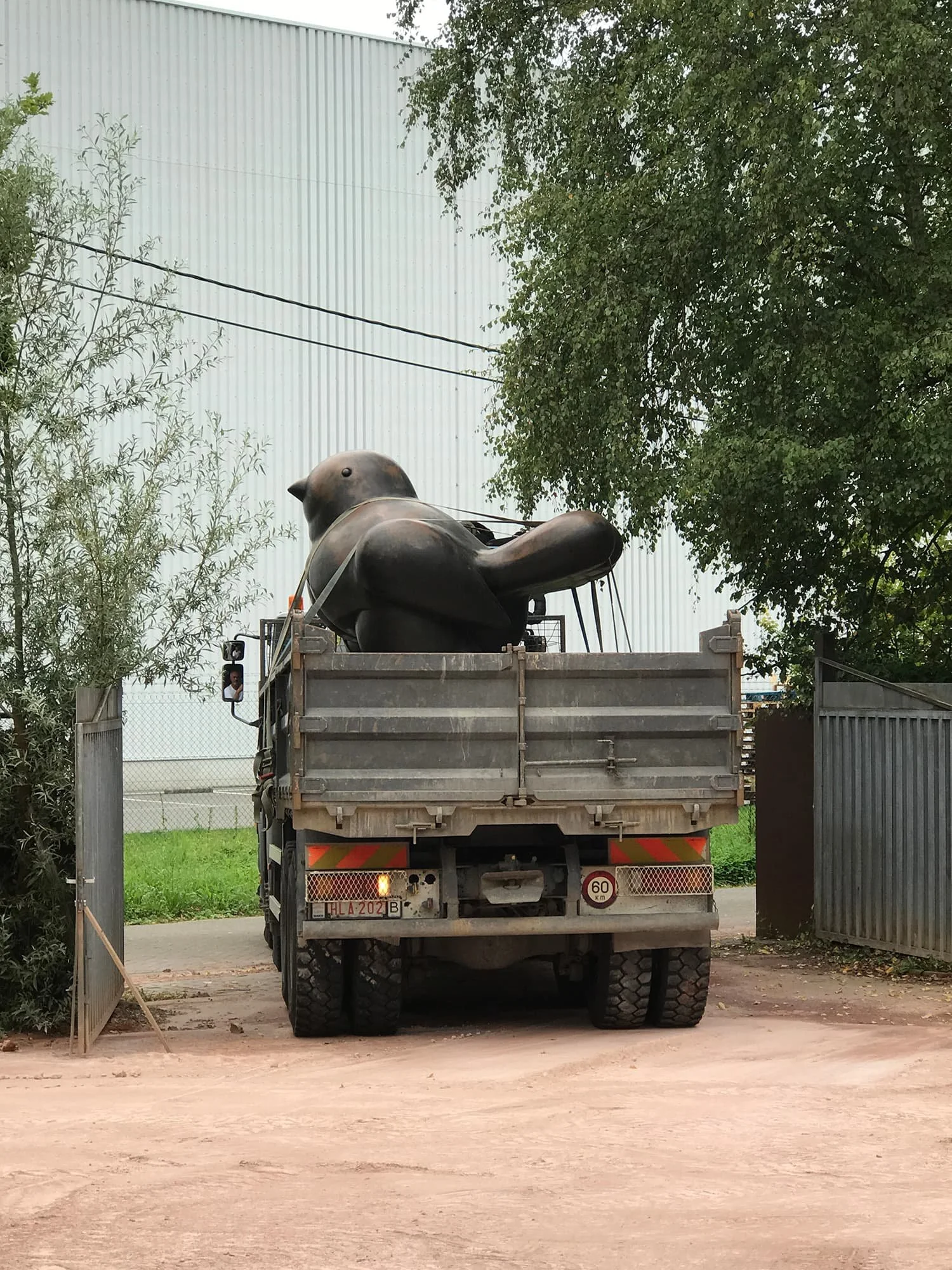
Transport: safe and carefully organized transport of your work
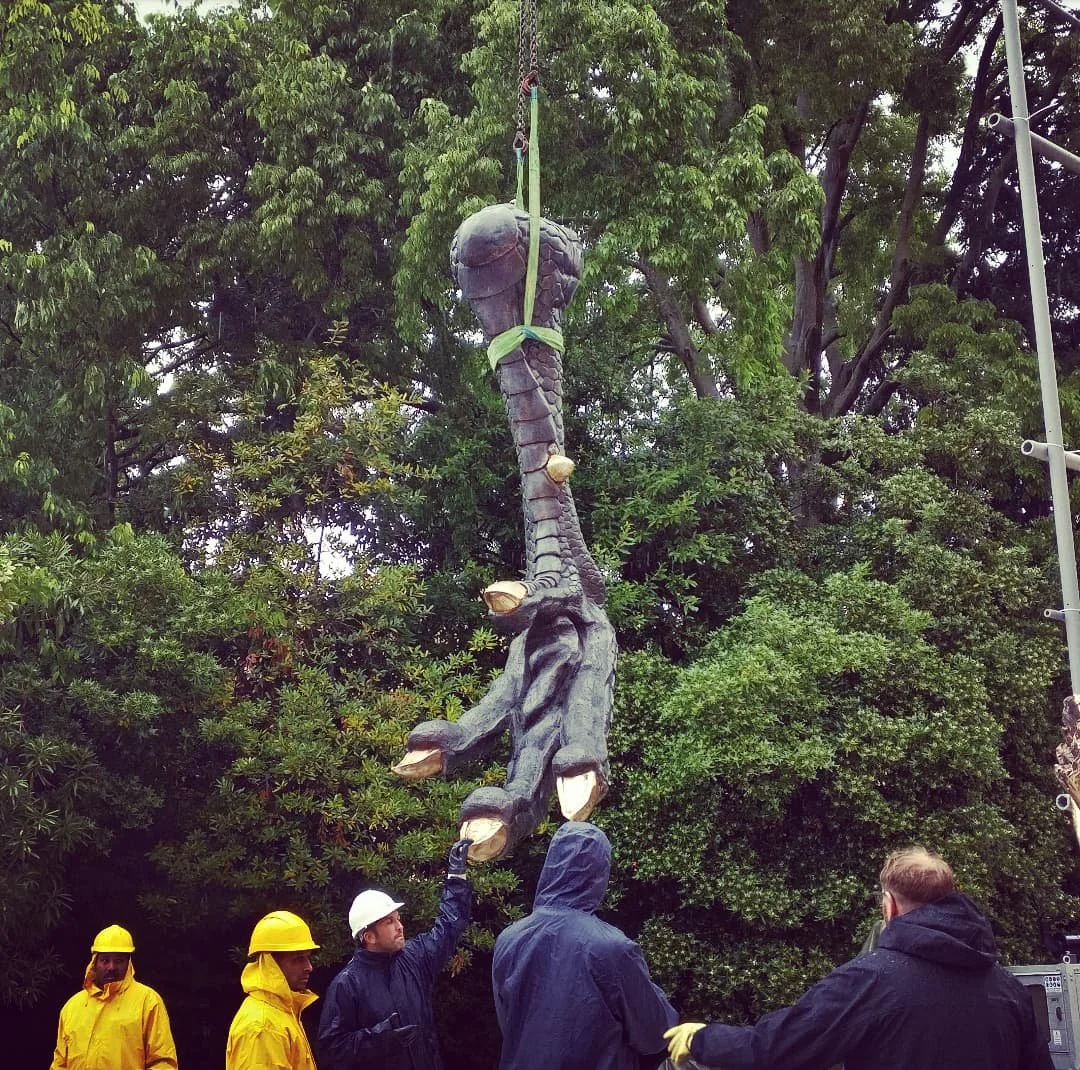
Installation: professional on-site installation, both indoors and outdoors
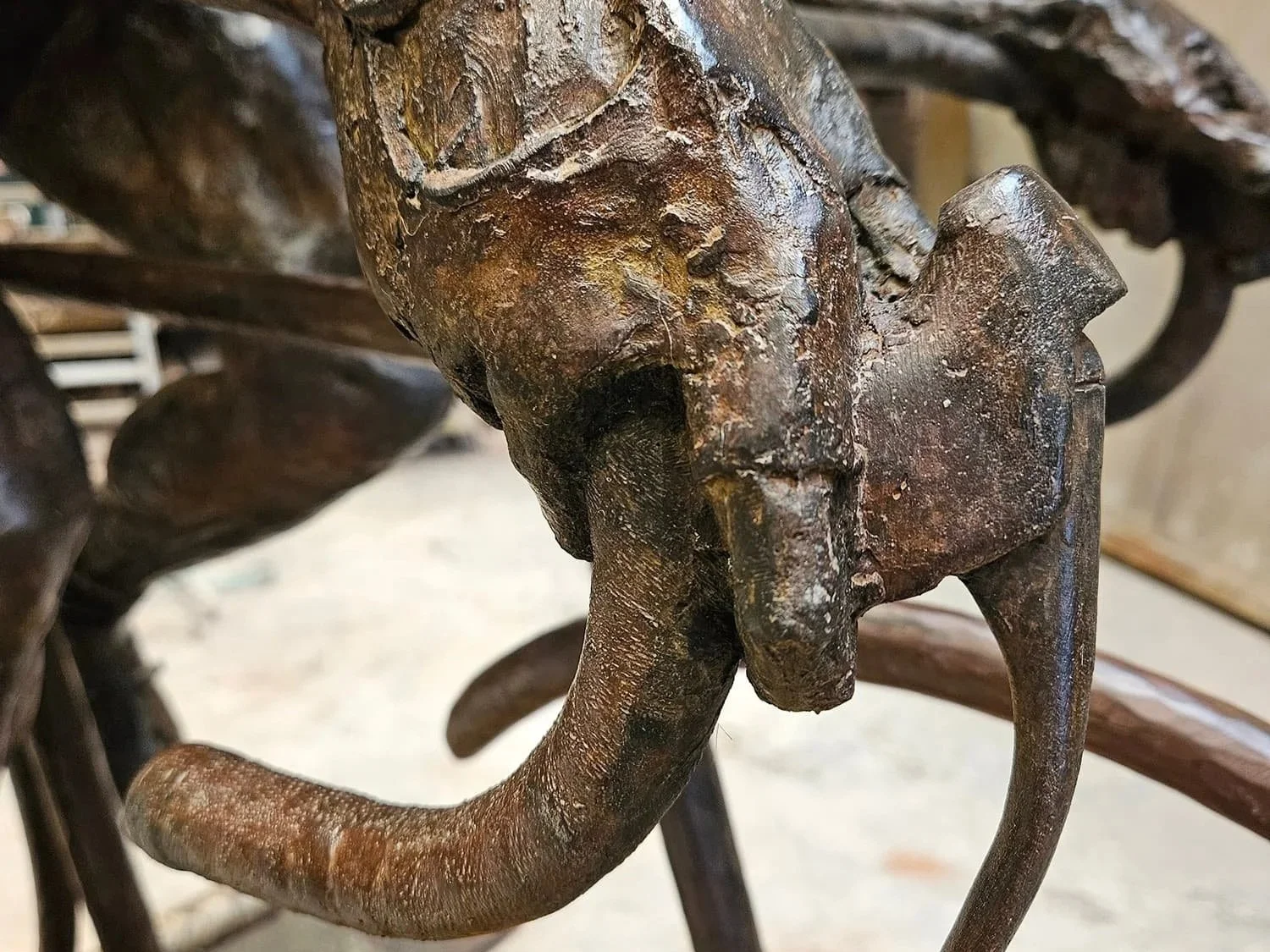
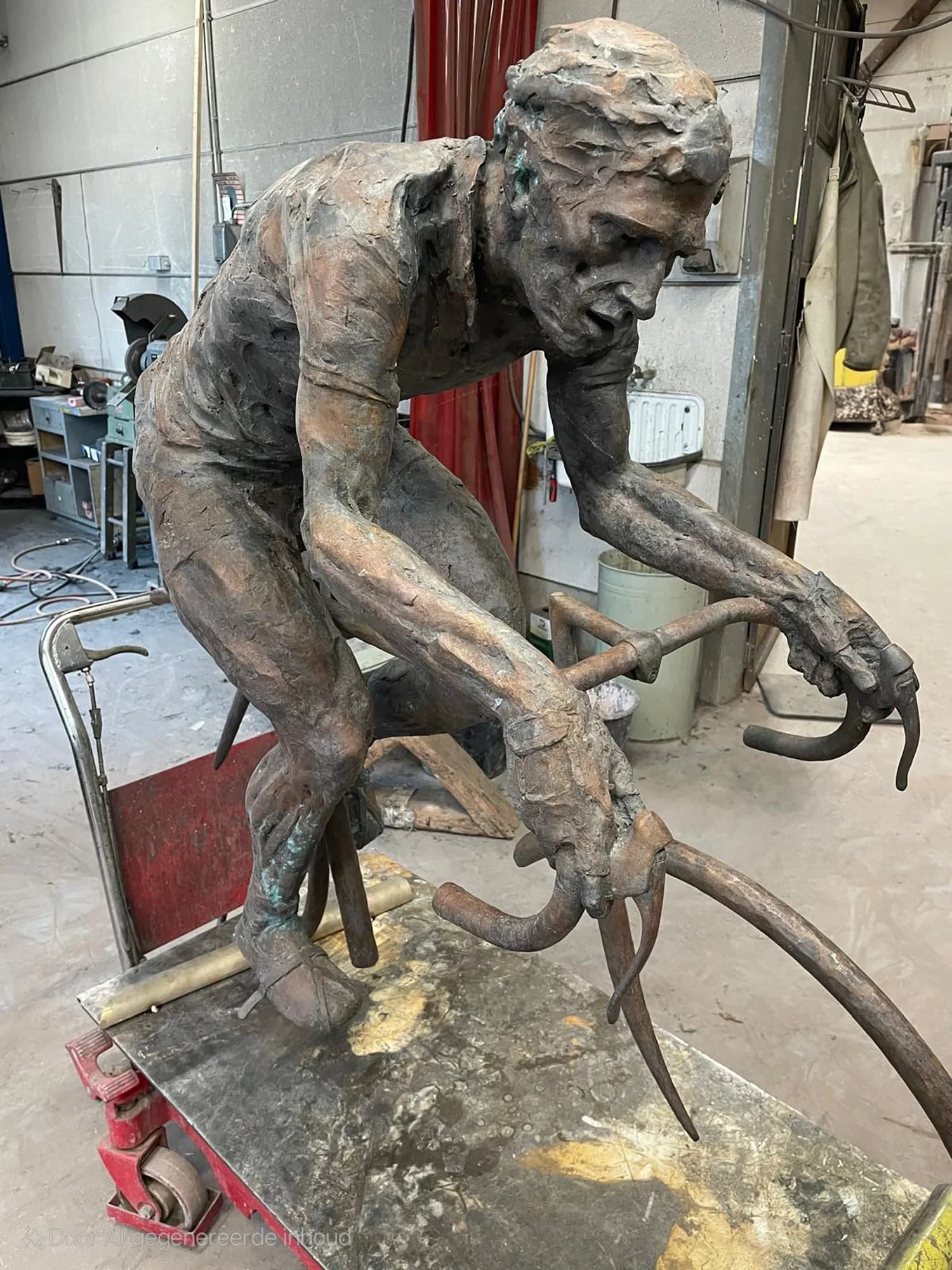
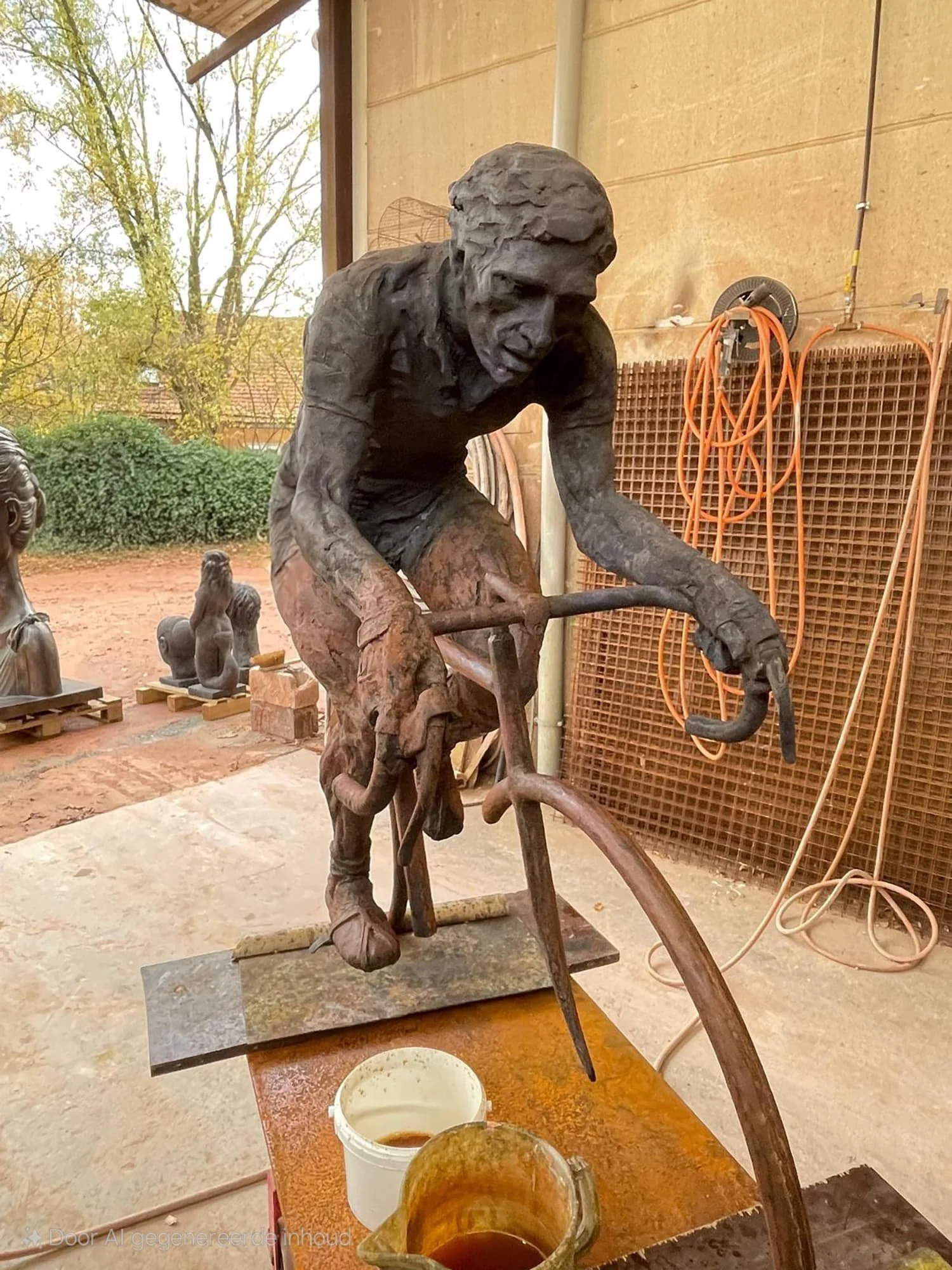
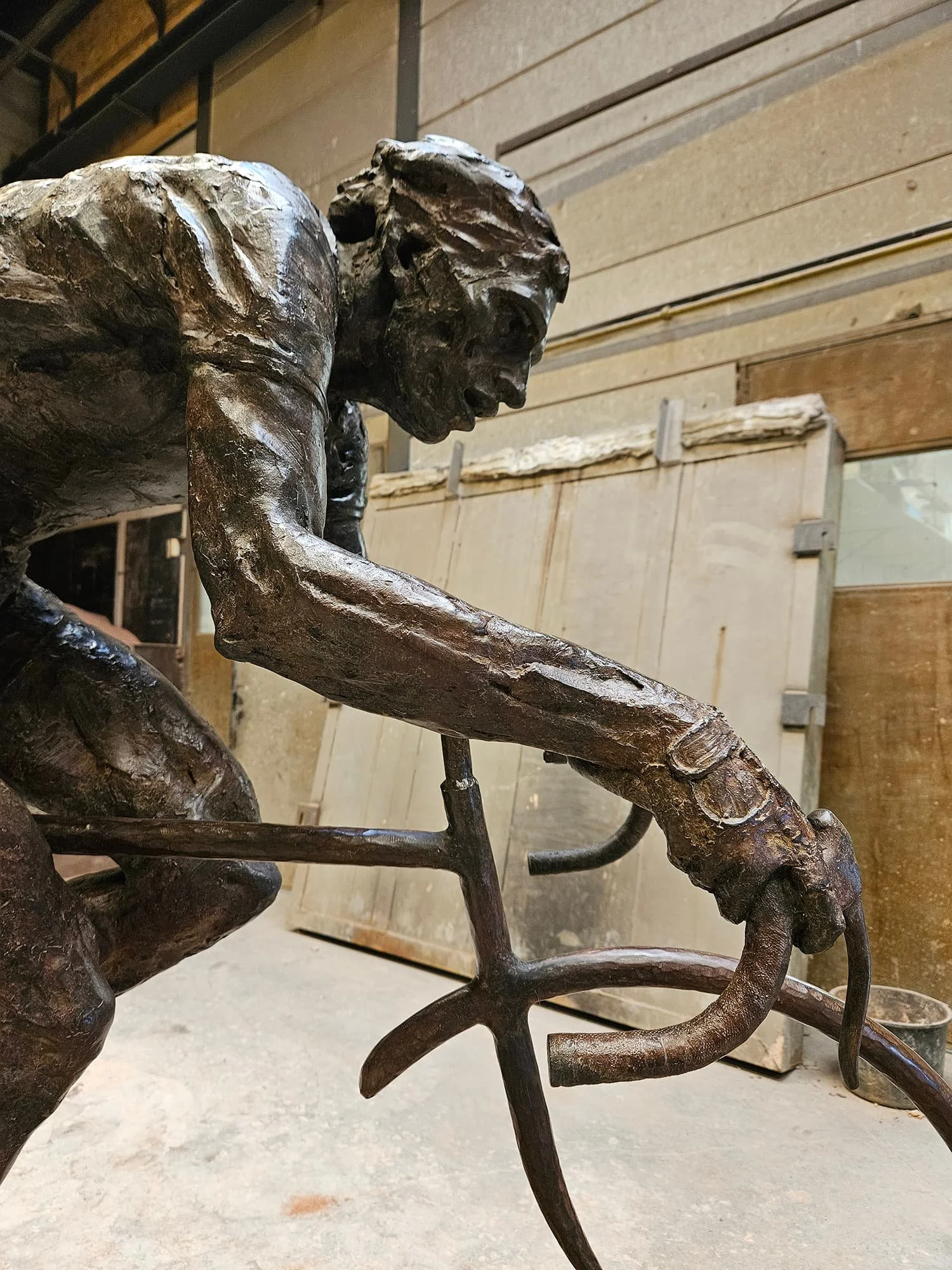
Restoration
Repair, conservation, and maintenance of existing bronze works
Structural repair: repair of cracks, fractures, and internal support structures
Repatination: rebuilding or adjusting patina with respect for the original finish
Surface refinement & protection: cleaning, polishing, rebalancing surface tones, and applying wax or protective coatings for long-term indoor or outdoor presentation
Looking for maintenance tips for your bronze sculpture? You can also consult our maintenance guide.
FAQ — Frequently Asked Questions
-
You can come to us with a finished model at the scale of the final bronze sculpture. This best aligns with the artistic vision of the maker and provides a clear starting point for the casting process.
If a model is not yet available, we can also create it for you: sculpted, 3D-printed, or milled, depending on the project's requirements. We are happy to advise you on the most suitable technique.
You do not need to provide a negative mold yourself. Creating a mold requires expertise and insight into the casting process. We produce the mold in such a way that it works optimally for a clean and efficient wax model. If you have experience with mold making, we will assess together whether your mold is suitable for use.
-
An original can be supplied in many materials: clay (fired or unfired), plaster, wax, 3D print, …
Ideally, the model is supplied directly at the desired final size. If enlargement or reduction is necessary, we work with 3D scanning and printing or with a milled model with a texture layer. You can read more about enlargements or reductions here.
In addition to the classic lost-wax method, lost-model casting is also possible. In this process, the original object goes directly into the casting mold, without first creating a mold or wax model.
Suitable materials:
Wax (casting wax, modeling wax) → modeling wax is quite soft; preferably use a combustible armature (e.g., balsa wood). Avoid metal armatures.
Balsa wood, toothpicks, twigs, organic material such as fruit/vegetables
Cardboard, cotton, jute, natural cork
Castable wax resin
Please note that this process is more experimental and sometimes requires test castings. We are happy to advise you per project.
Advantages and disadvantages of lost model casting:
Advantages: no negative mold and no wax model needed → therefore cheaper.
Disadvantages: less predictable results, no guarantee of success, sometimes test castings are required. The original is completely lost. Organic objects are cast solid, which means extra weight and bronze consumption.
Not suitable: non-combustible materials such as silicone, plastics, polyester, or metals (copper wire, screws, …).
Technical requirements:
Minimum thickness: 3 mm
Hollow model: ideally 3–4 mm
Solid model (small sculptures): maximum a few cm thick
The model must retain its shape in liquid plaster or be able to be hardened.
-
Yes. Post-processing such as welding, chasing, and patination are standardly included in the quote, provided the desired finish is known in advance.
If you, as an artist, prefer to carry out the post-processing yourself, that is also possible. In that case, we only handle the casting.
-
Yes. We offer various standard patinas such as black, brown, green/verdigris, … Samples are available at the foundry.
The final effect depends on the texture of the sculpture and how light interacts with its depths.
Are you looking for something specific? We can work based on photos or experiment to achieve the desired patina.
-
This is not standardly included, but we can fully arrange it for you if desired. For this, we will provide a custom quote.
Questions about our services?
Contact us to schedule an appointment to discuss your idea or creation, or send us the necessary information to get started.