
Our ApproachFrom negative mold to bronze sculpture
Every project is unique, but our working method offers guidance, transparency, and room for dialogue. Artists can also choose to participate in certain steps of the process, with support from our experienced team.
How we work:
-
Initial contact and intake
A project usually begins with a visit to the foundry or a discussion based on photos, sketches, and dimensions. Together, we review the design, scale, technical considerations, and desired finish. At this stage, we determine whether an original model at the correct scale will be provided or still needs to be created, and whether a negative mold is required. This moment is also crucial for understanding the artistic vision. Contact us to schedule an appointment to discuss your idea or creation, or send us the necessary information to get started.
-
Quotation and planning
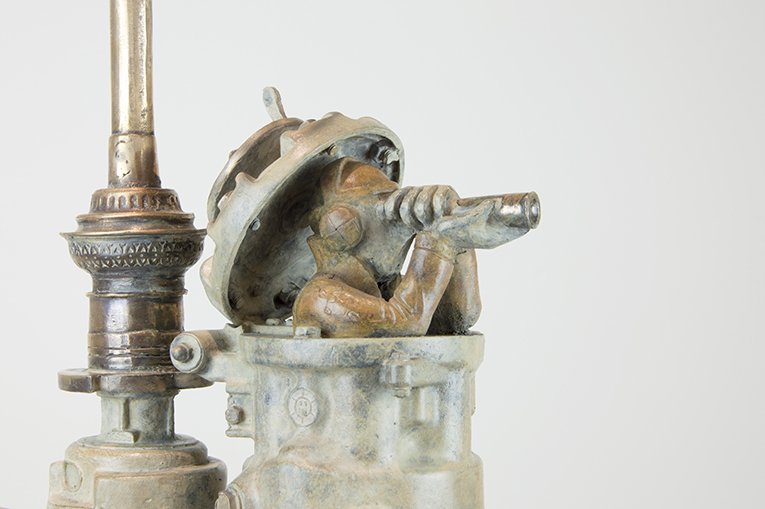
Based on the model or design, the estimated bronze weight, complexity, and finish, we prepare a quotation. Mold costs, any pedestals, transport, or installation are transparently listed separately. Once approved, we jointly determine the next steps.
-
Production with interim checks
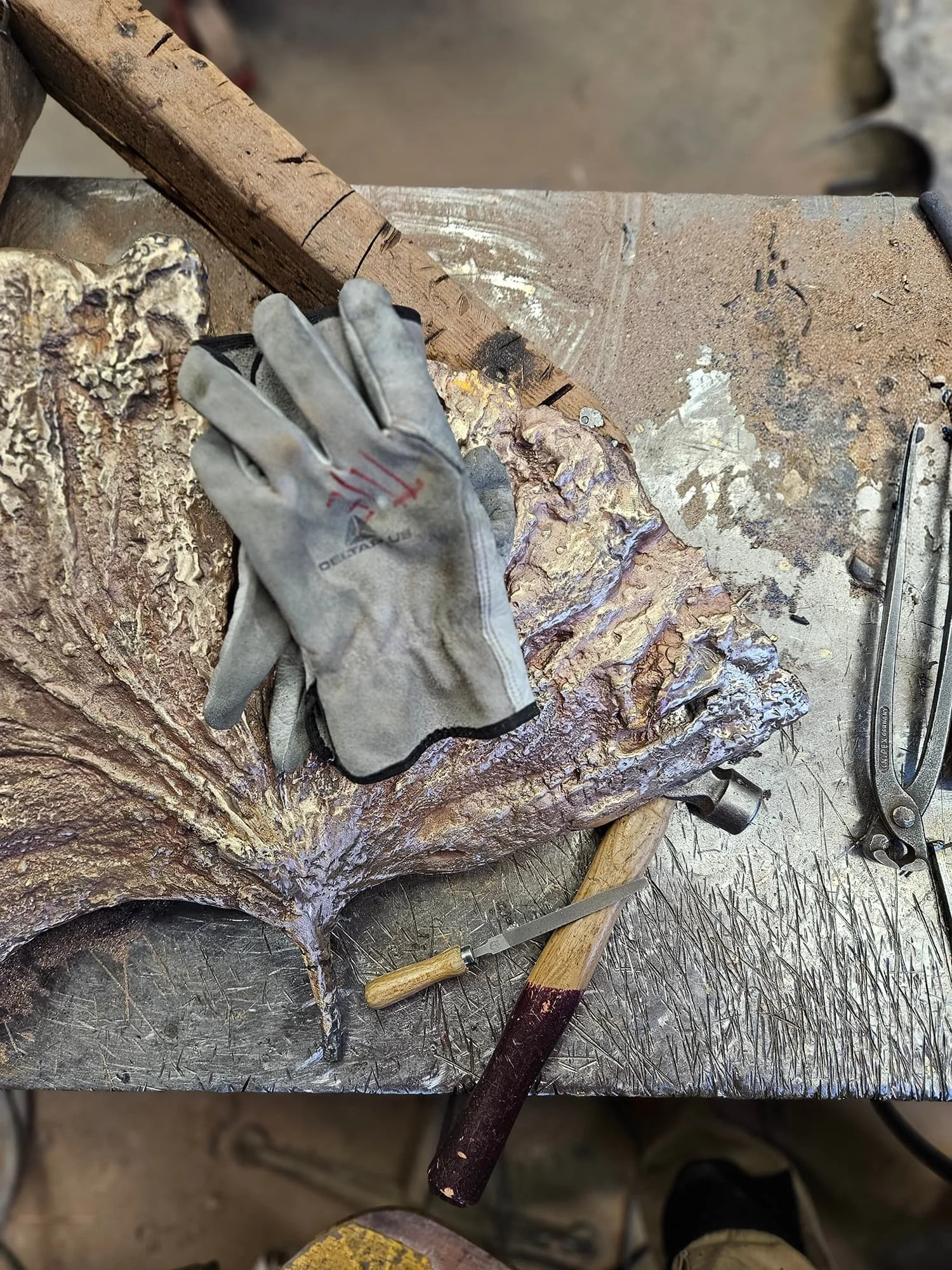
During the process, we coordinate as needed, depending on the project and the requirements of the artist or client. The inspection of the wax model is often a crucial checkpoint within the casting process. This is the final check before casting. If necessary, we make adjustments, always in consultation. After casting and demolding, post-processing follows: blasting, chasing, assembly, and the chosen finish such as patination, polishing, or coating. Some artists choose to perform (part of) the finishing themselves — which is also perfectly possible.
-
Delivery, pedestal, and installation
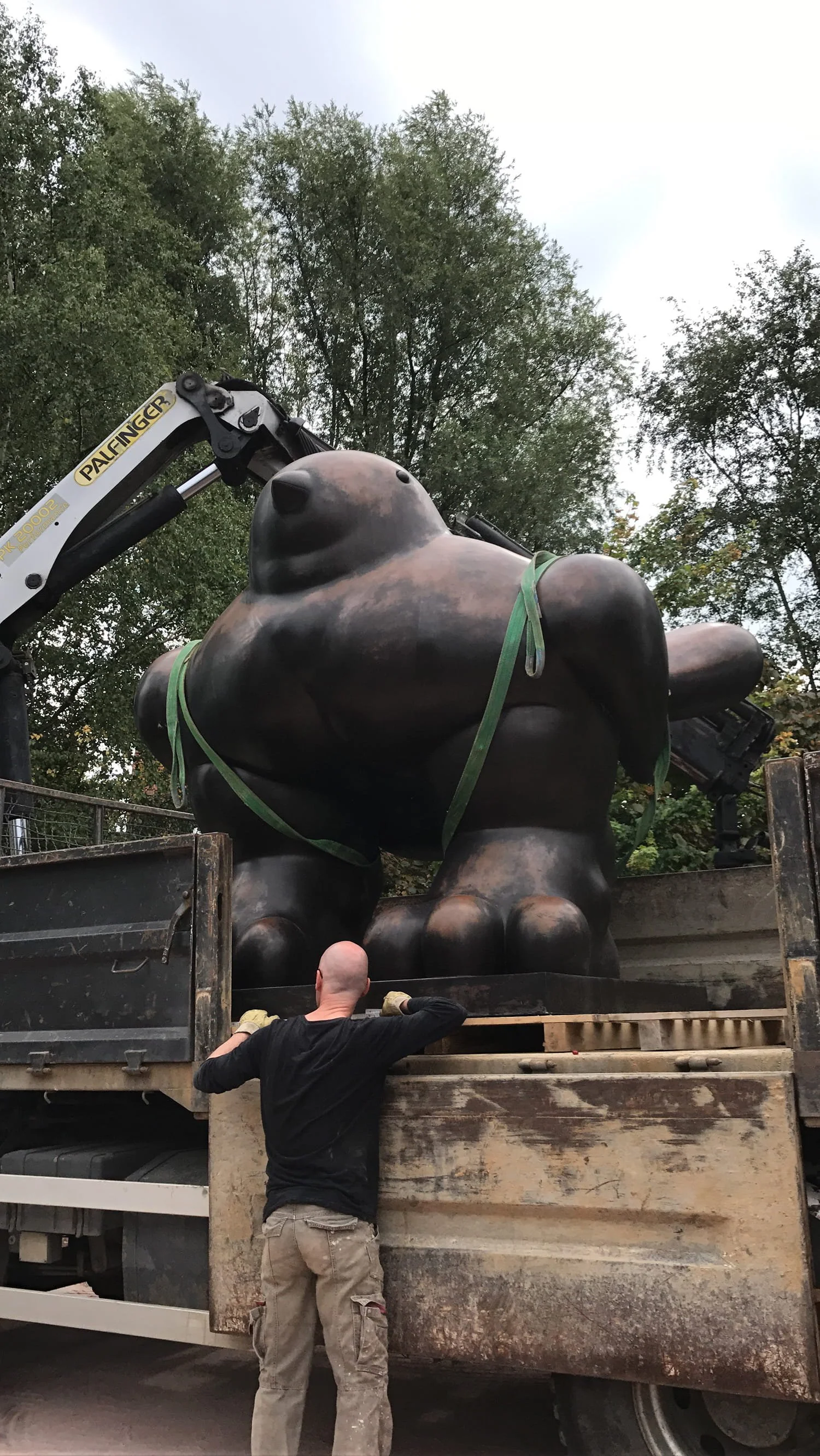
The finished sculpture can be collected from the foundry. If desired, we also arrange for the production of a pedestal, transport, foundation, and on-site installation. For larger or monumental works, we employ a customized technical preparation (and, if necessary, a stability study).
-
Aftercare and maintenance
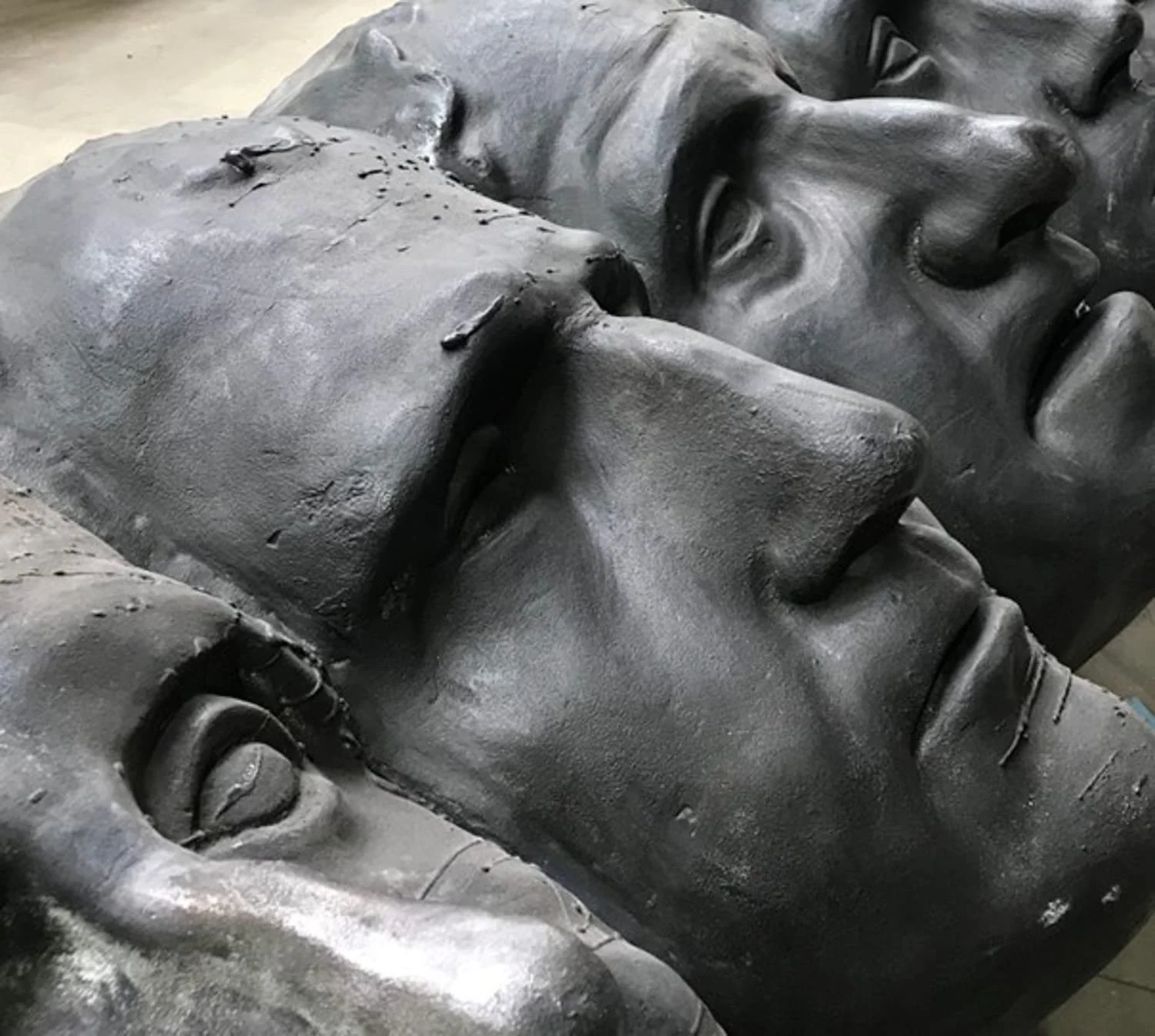
A bronze sculpture is durable but not maintenance-free. Here you will find more information about the maintenance, aging, and protection of bronze in indoor and outdoor settings.
FAQ — Frequently Asked Questions
-
We begin by creating a negative silicone mold of your original work. Using this mold, we produce a hollow wax copy (the wax model). Once you have approved the wax model, we attach the pouring and venting channels. If necessary, the model is divided into sections.
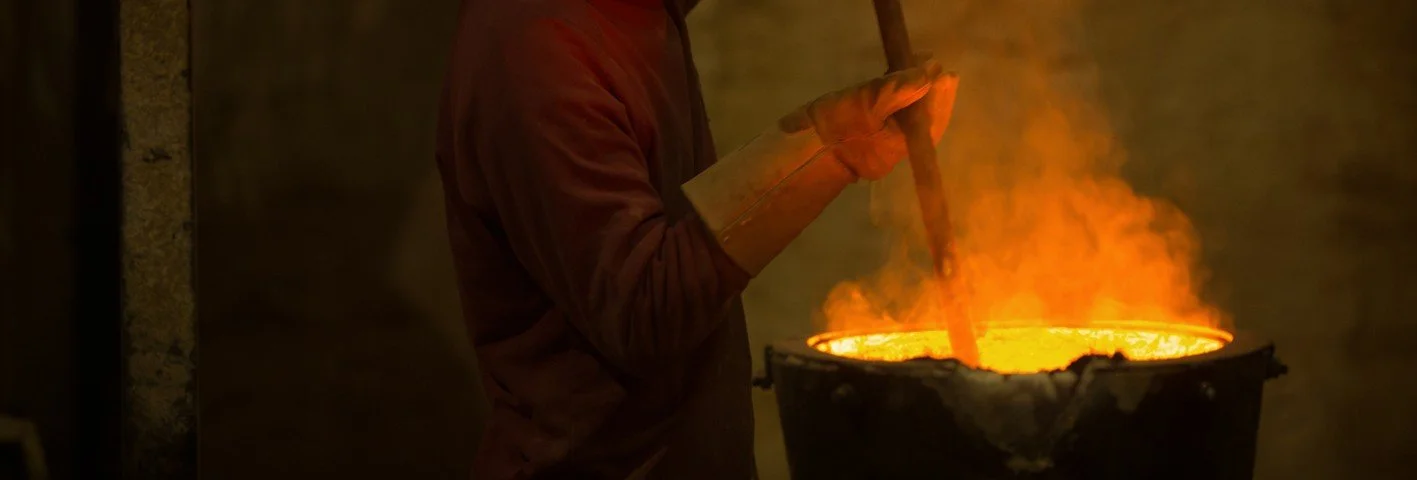
Next, the wax model is placed into a refractory casting mold, which is then fired: the mold hardens, and the wax melts away. Into the resulting cavity, we pour liquid bronze. After cooling, we break open the mold, and the casting is cleaned and glass-bead blasted. Subsequently, post-processing in bronze (chasing) takes place, and we apply the desired finish: patination, polishing, painting, lacquering, powder coating, silver plating, gilding, …
We can also provide a pedestal, transport, or installation.
Based on photos and dimensions, you will receive a quotation or price estimate. After approval and further alignment of project details, we will start the process.
-
From approval of the physical model: 12–16 weeks, depending on complexity, workload, and number of pieces.
If the model still needs to be created: + 2–6 weeks, depending on the technique.Specific finishes (lacquer, coating) or pedestals may extend the lead time.
Monumental projects: 6–12 months.
-
For each casting mold, we maintain a maximum size of approximately 1 m².
Larger sculptures are cast in sections and then assembled, possibly with an internal construction for stability. We have already realized monumental works up to 22 meters high. -
For projects smaller than approximately 3 cm, we are happy to refer you — in consultation — to specialized artisans who focus on very fine work.
For anything larger, you can come to us, and we will jointly determine the best approach.
-
We work with the classic 90/10 bronze alloy (90% copper, 10% tin) — a European, certified alloy that has been used for centuries and is known for its quality, durability, and excellent patination properties.
The bronze we purchase is 100% European and fully certified. Its 90% copper content guarantees a high-quality end result.
Furthermore, the copper is recycled, sourced from European recycling processes, without new mining.
This alloy combines strength, detail reproduction, and stability, making it suitable for both small and monumental works.
-
No. As art enthusiasts, we find it regrettable to melt down a bronze creation that has been crafted with great dedication.
Additionally, we do not remelt existing sculptures or objects for quality reasons: we deliberately keep our alloy pure, without the risk of contamination by unknown metals.
-
The price is calculated based on the bronze weight and the required working hours. Factors include:
workability and texture of the model
volume and complexity
surface to be worked (single-sided/double-sided)
type of finish
-
Yes. The mold cost is always charged separately. Often, it is distributed across the edition.
Pedestals, specific post-processing, transport, and installation are also itemized separately on the quote. -
No. It may only be useful to visit for the approval of the wax model.
Depending on the needs or complexity of the project, we schedule interim checks, consultation moments, or a visit to the workshops.
-
Yes. Depending on the project, we schedule workshop visits, consultation moments, and interim checks.
Our added value
Personal involvement and technical expertise, with a focus on quality and long-term collaborations
Tailored guidance, aligned with the artist's/client's pace
Reliable project management, tailored to agreed budgets and timelines
Innovation in craftsmanship: combining tradition with new techniques, and open to experimentation
Technical expertise for both small and large, complex projects
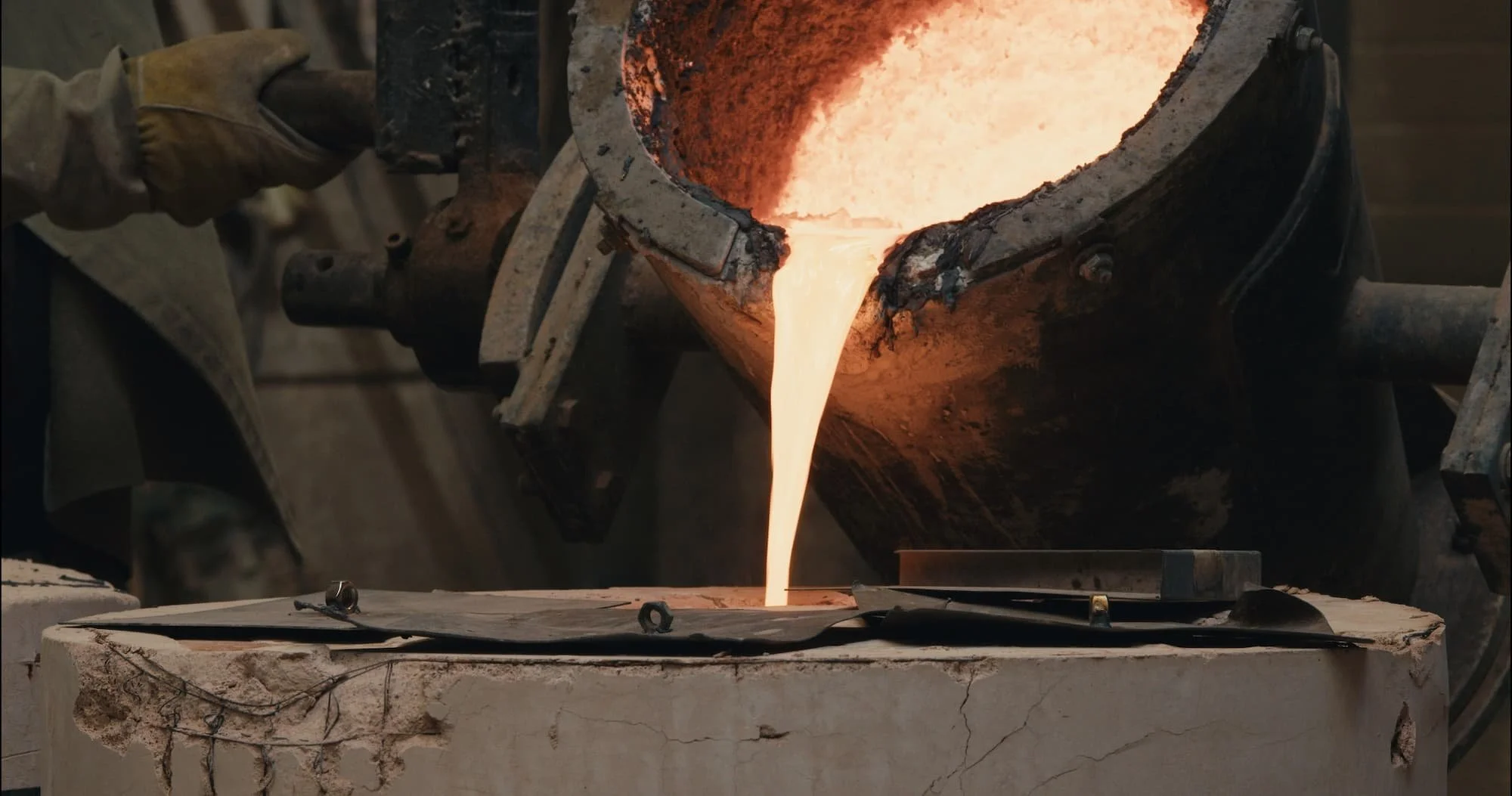
“We take the time to truly understand the artist and their work, so that the bronze result becomes a natural translation of their artistic practice.”
— Sara Louwagie, Owner, Van Geert Art Foundry